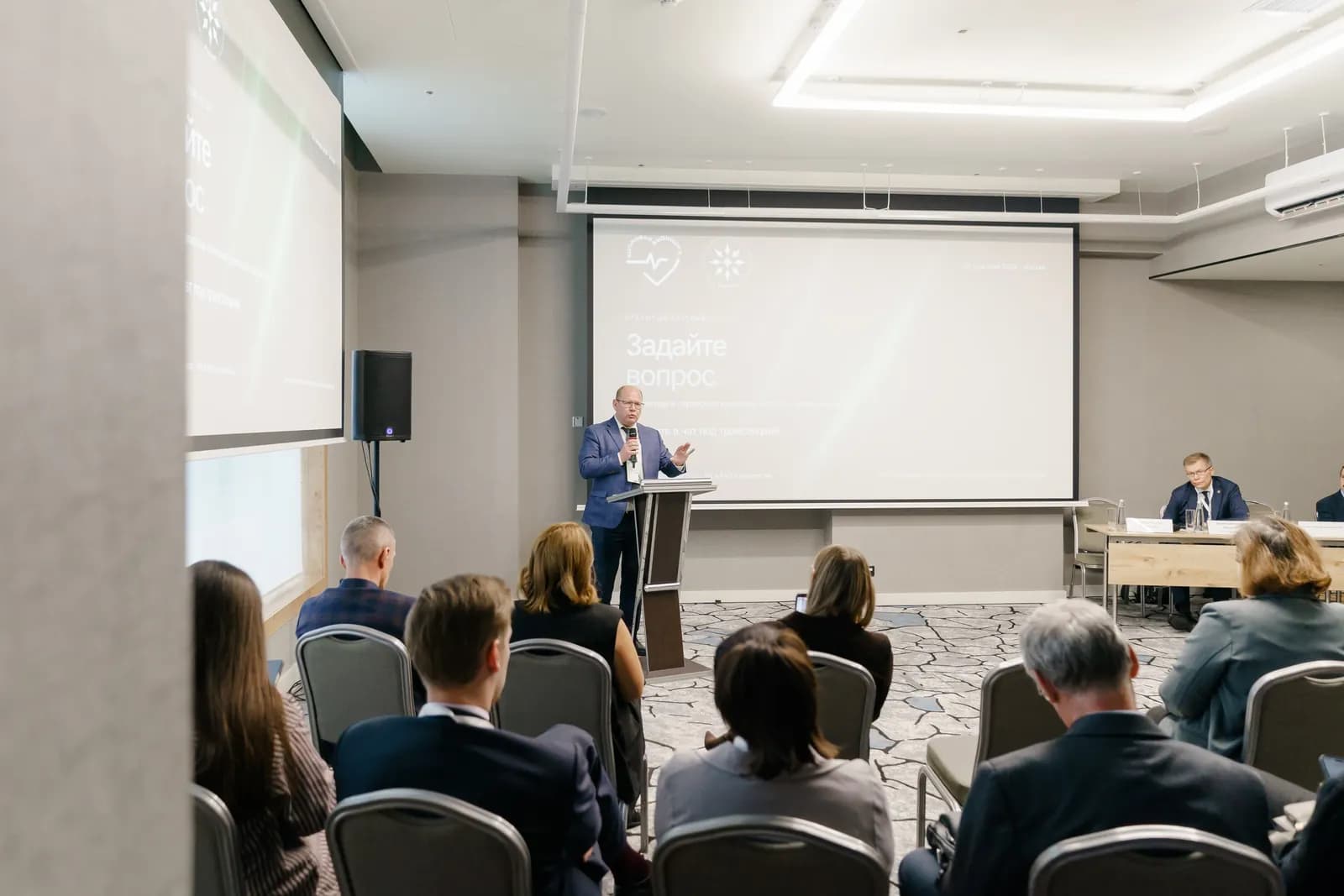
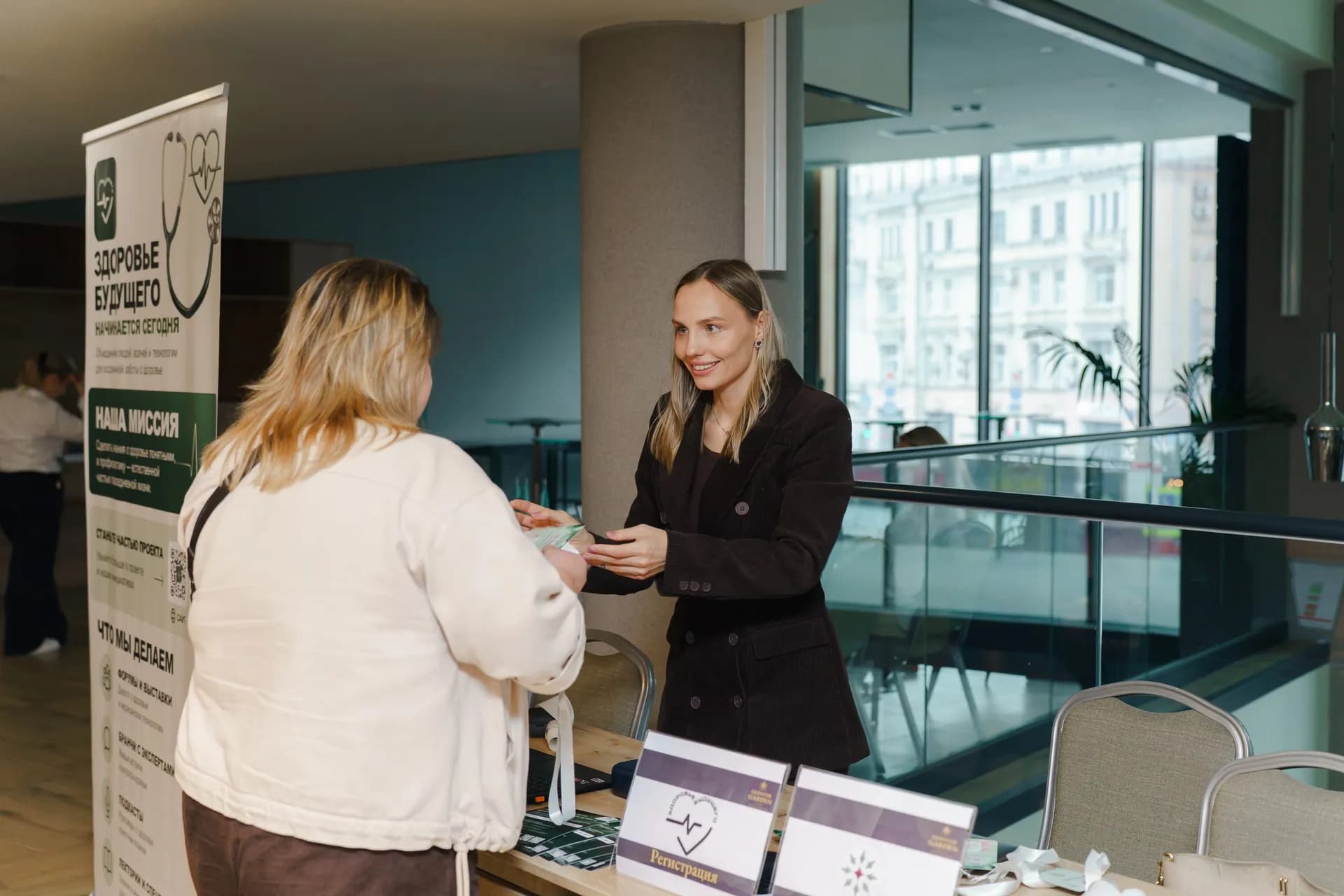
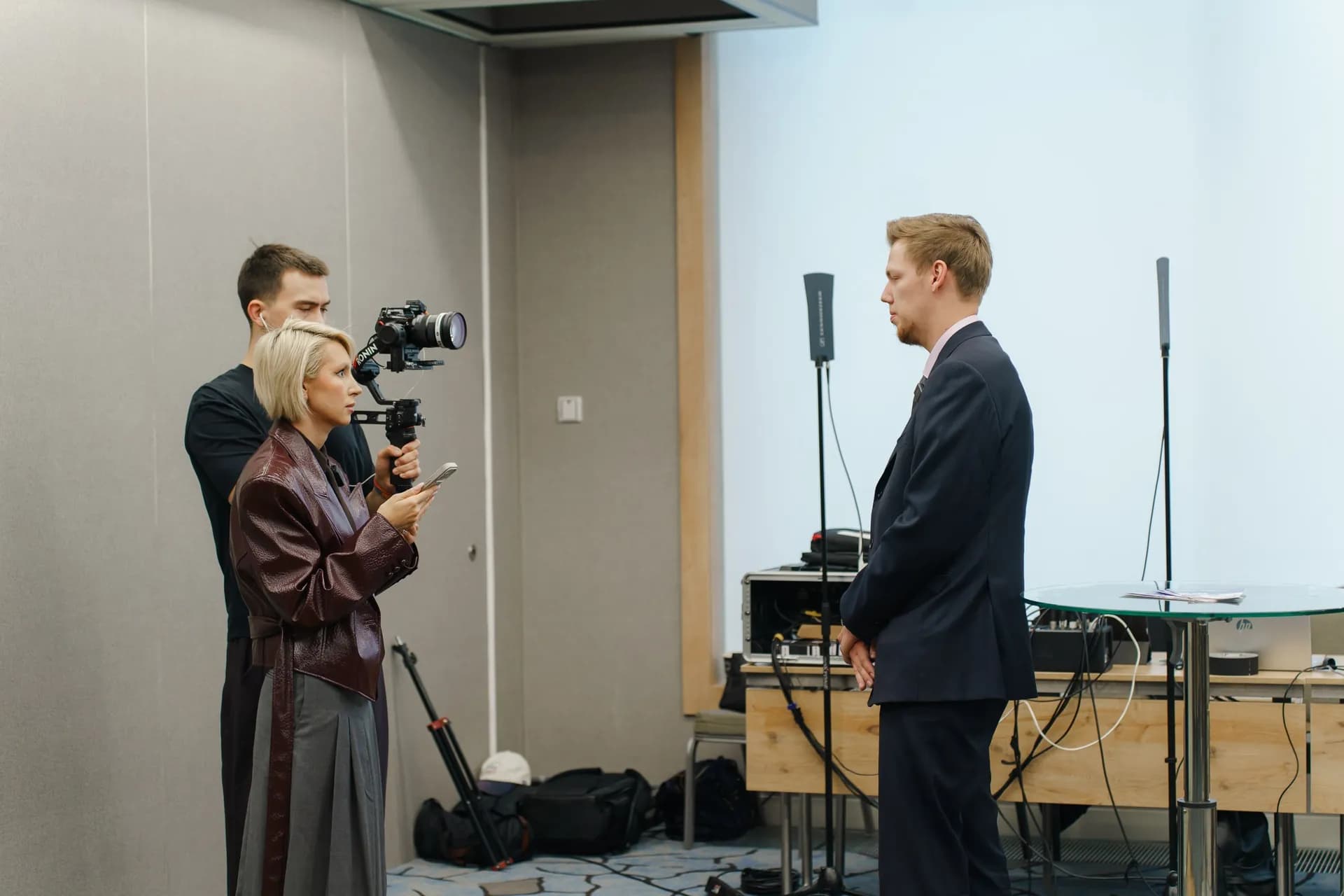
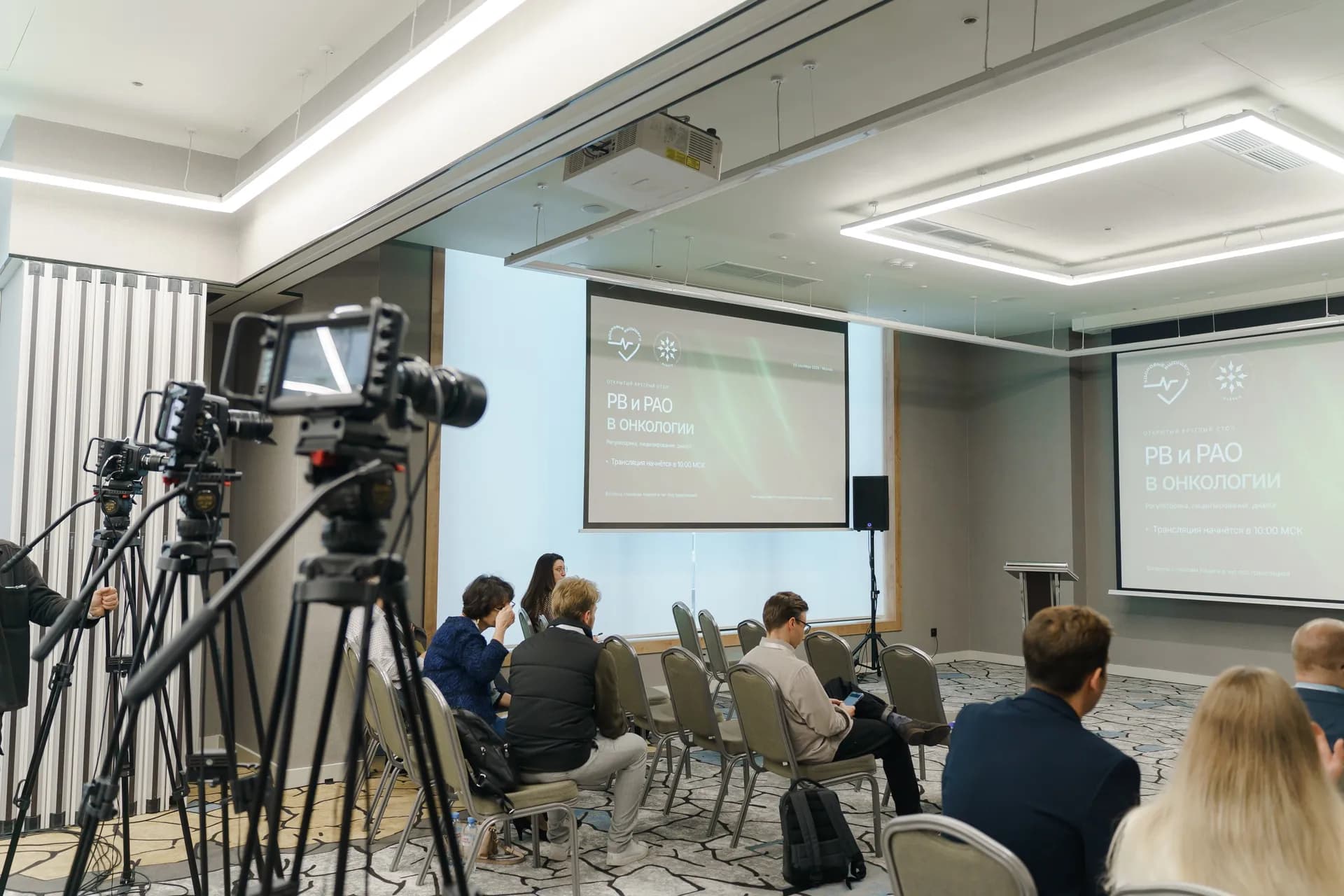
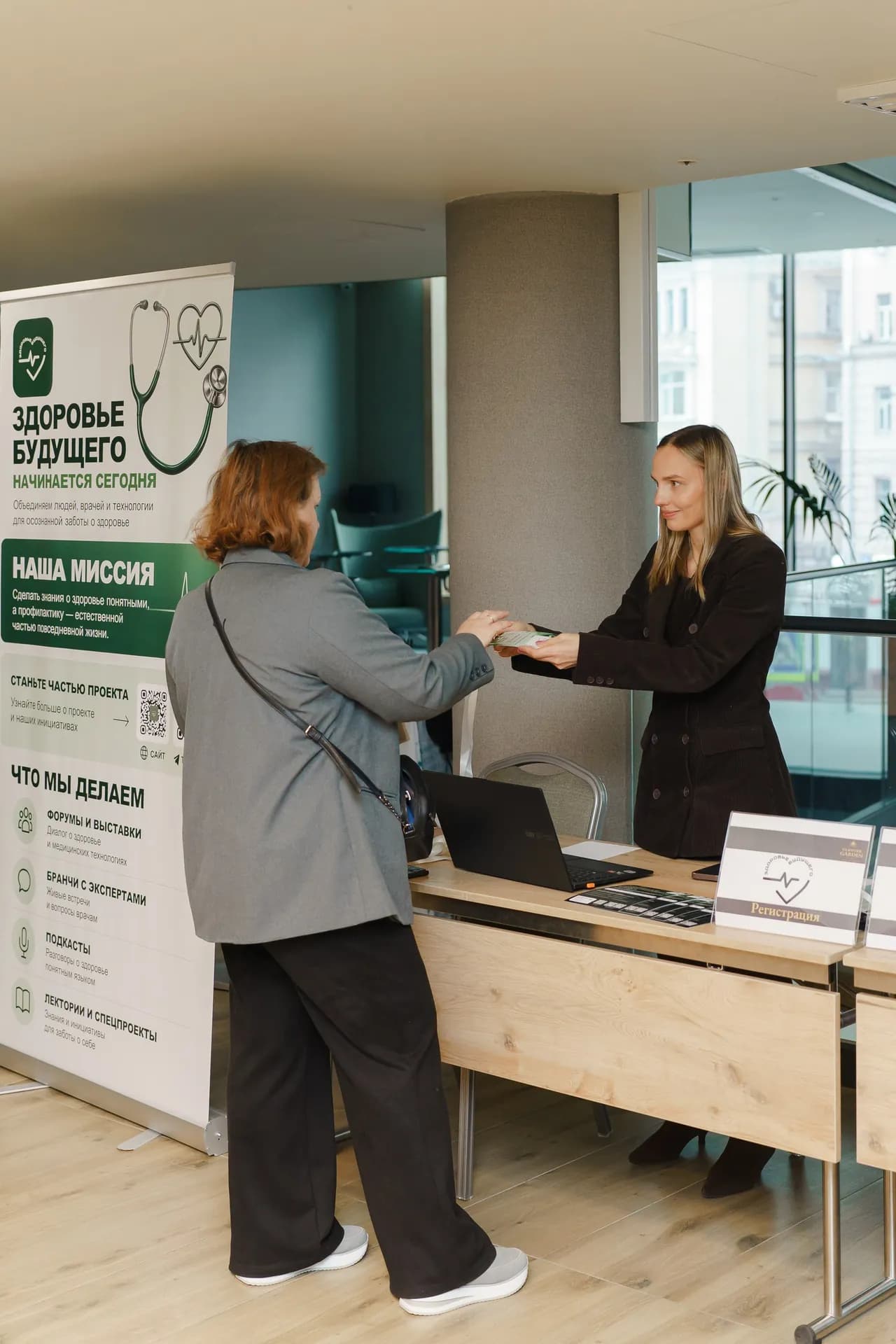
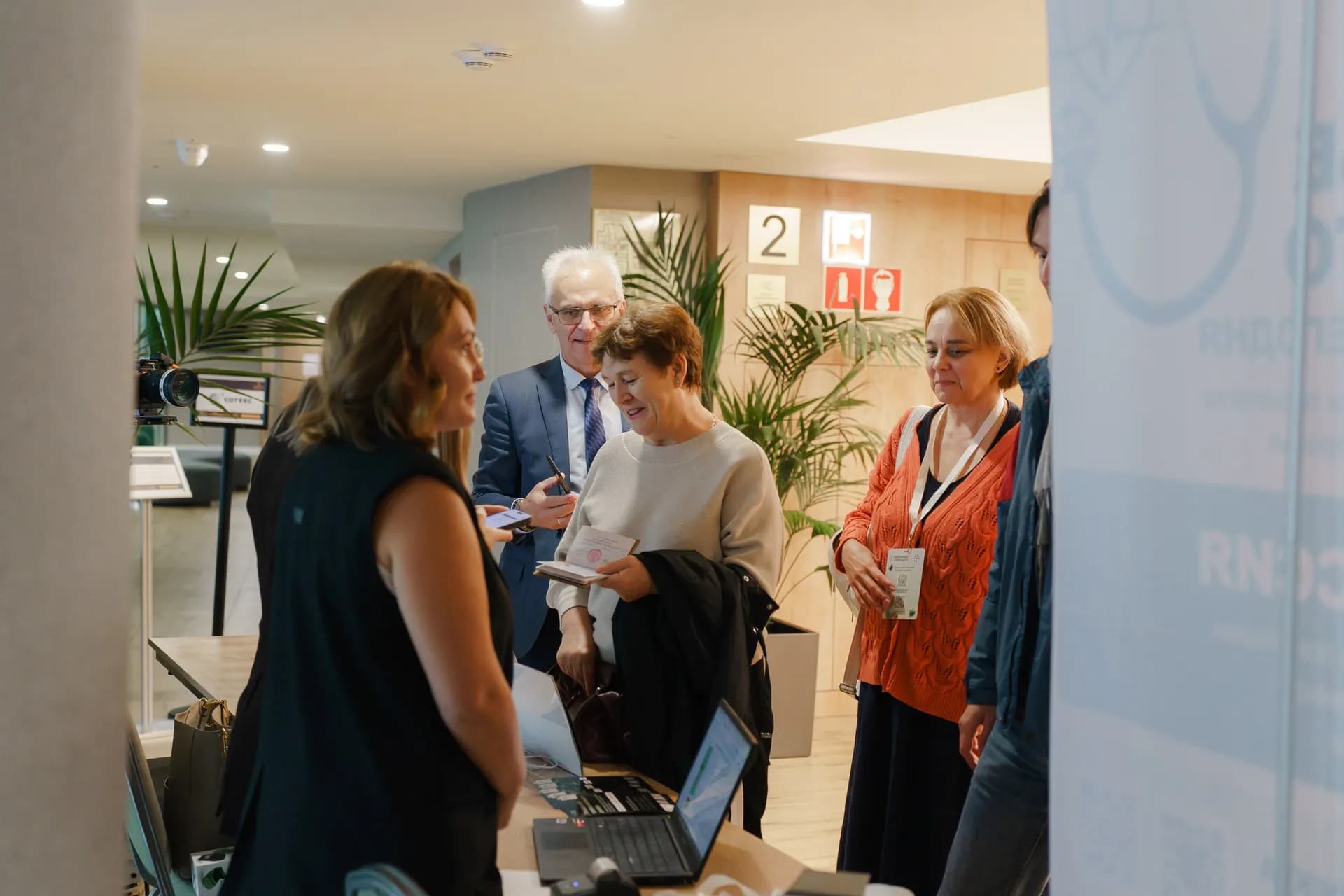
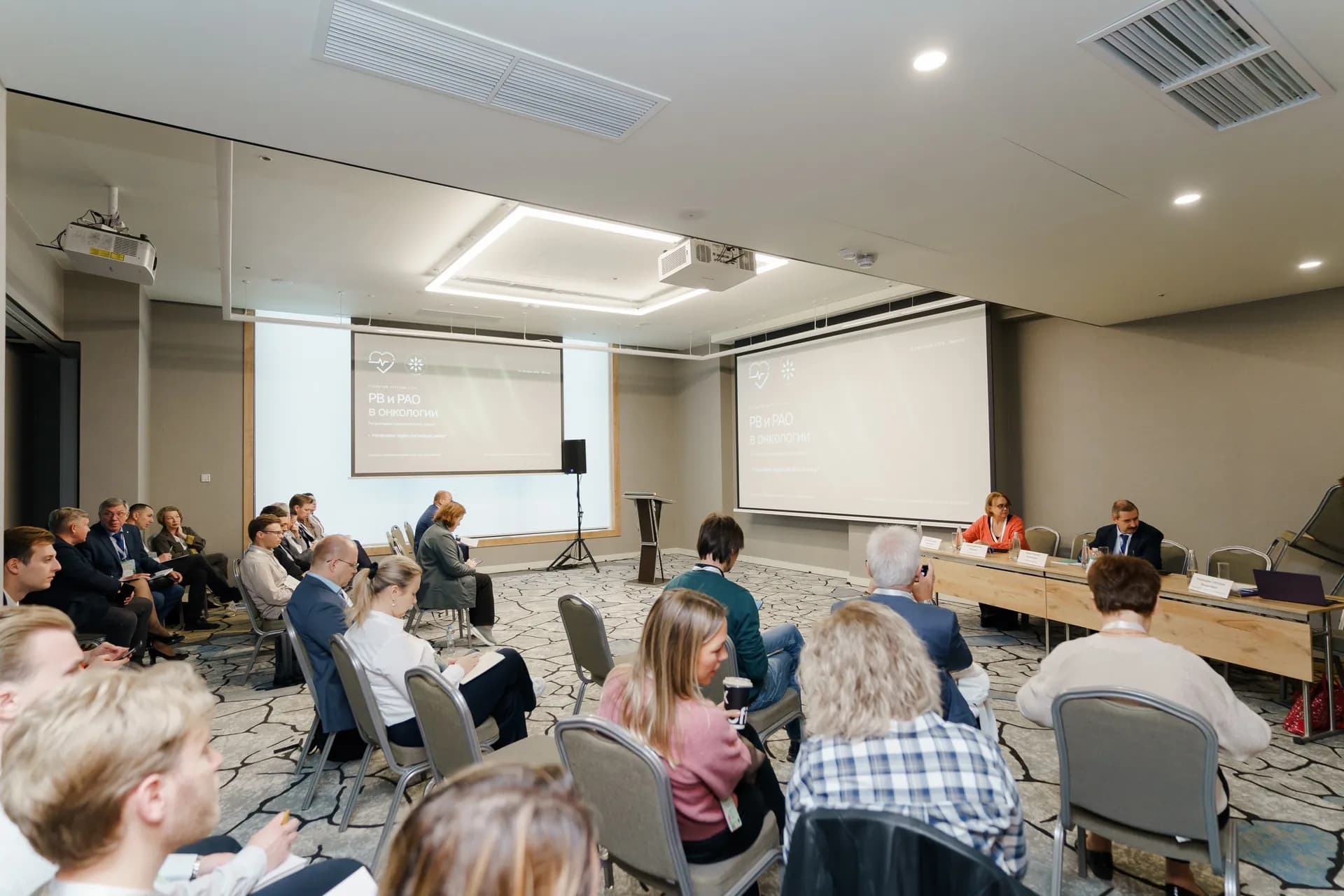
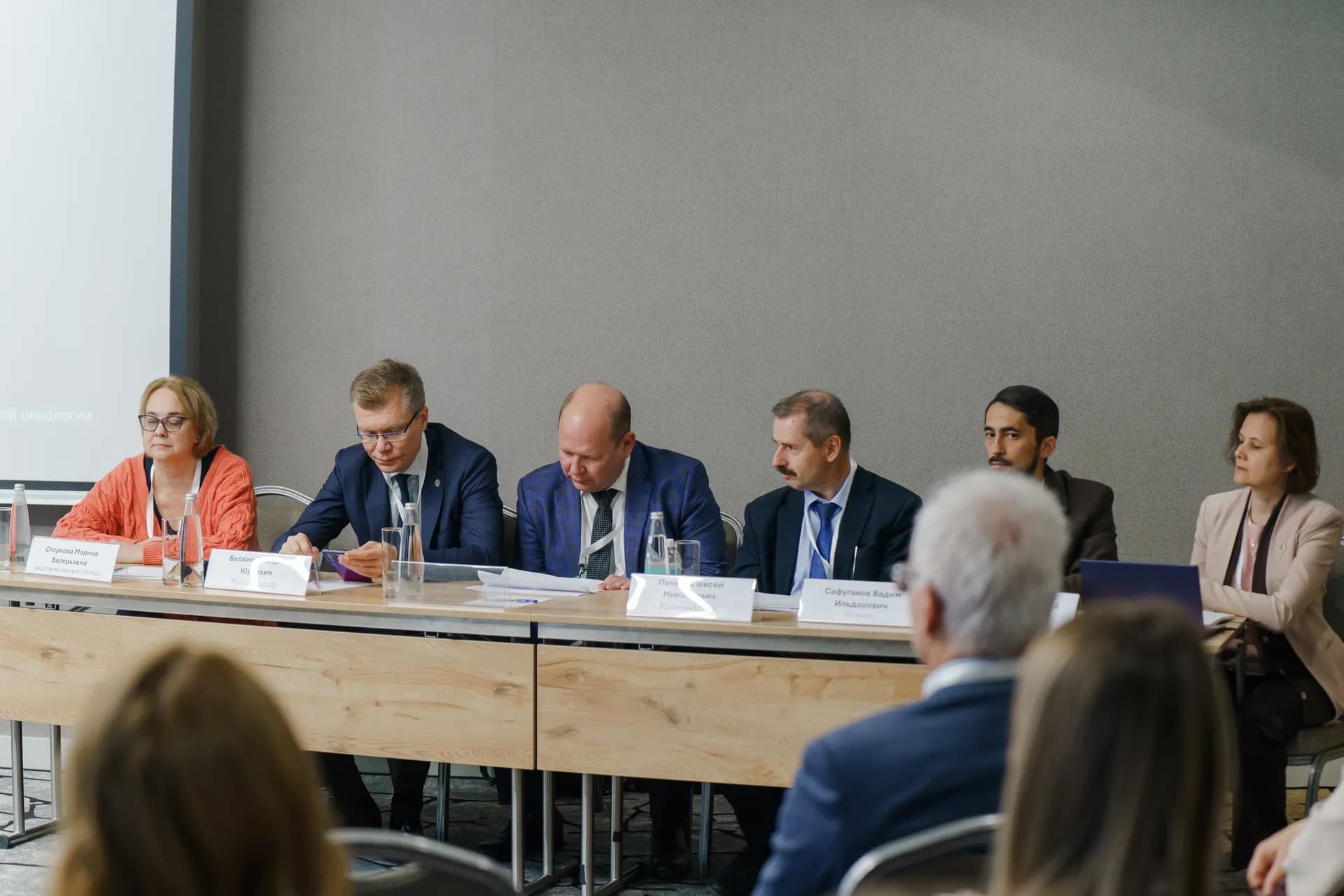
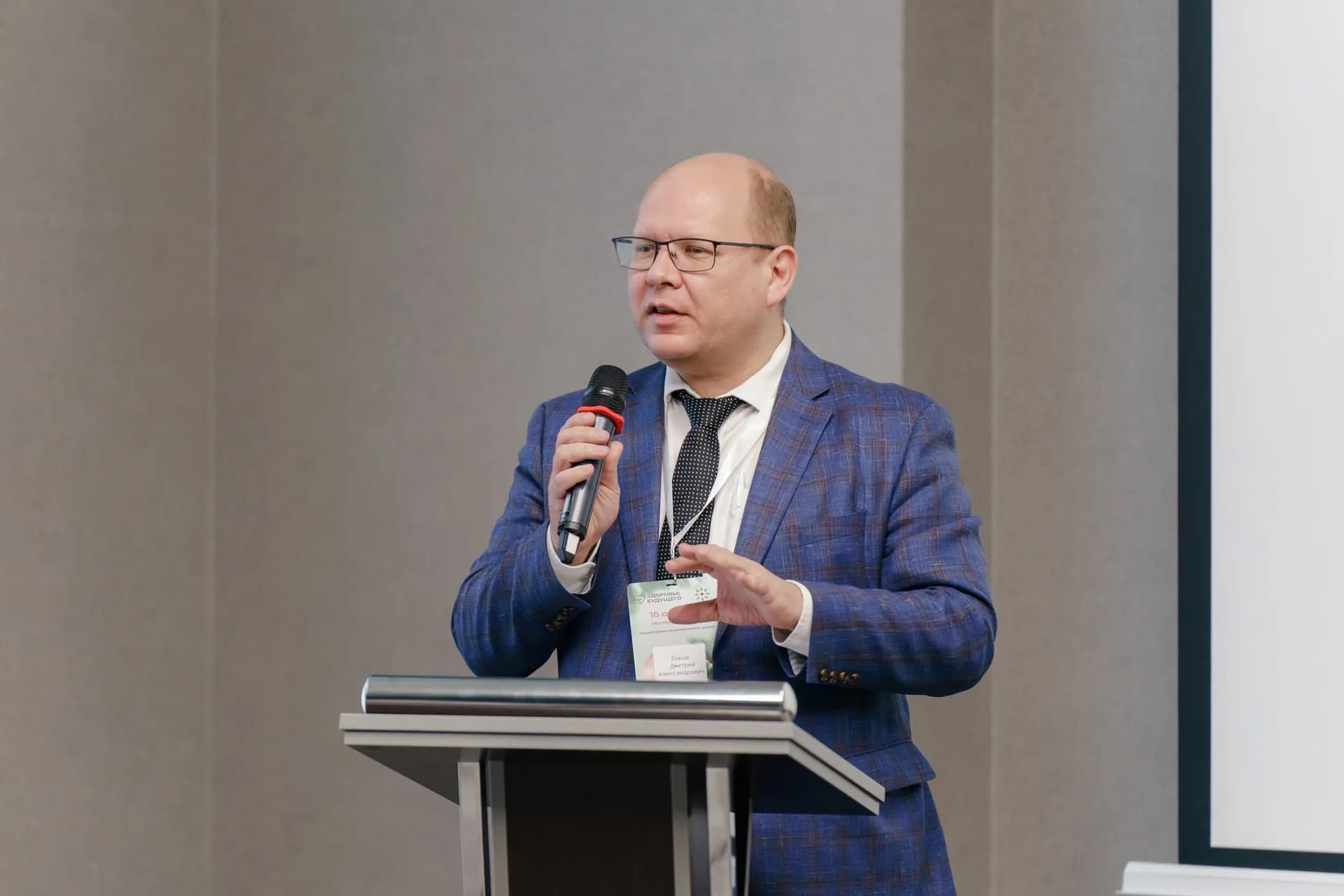
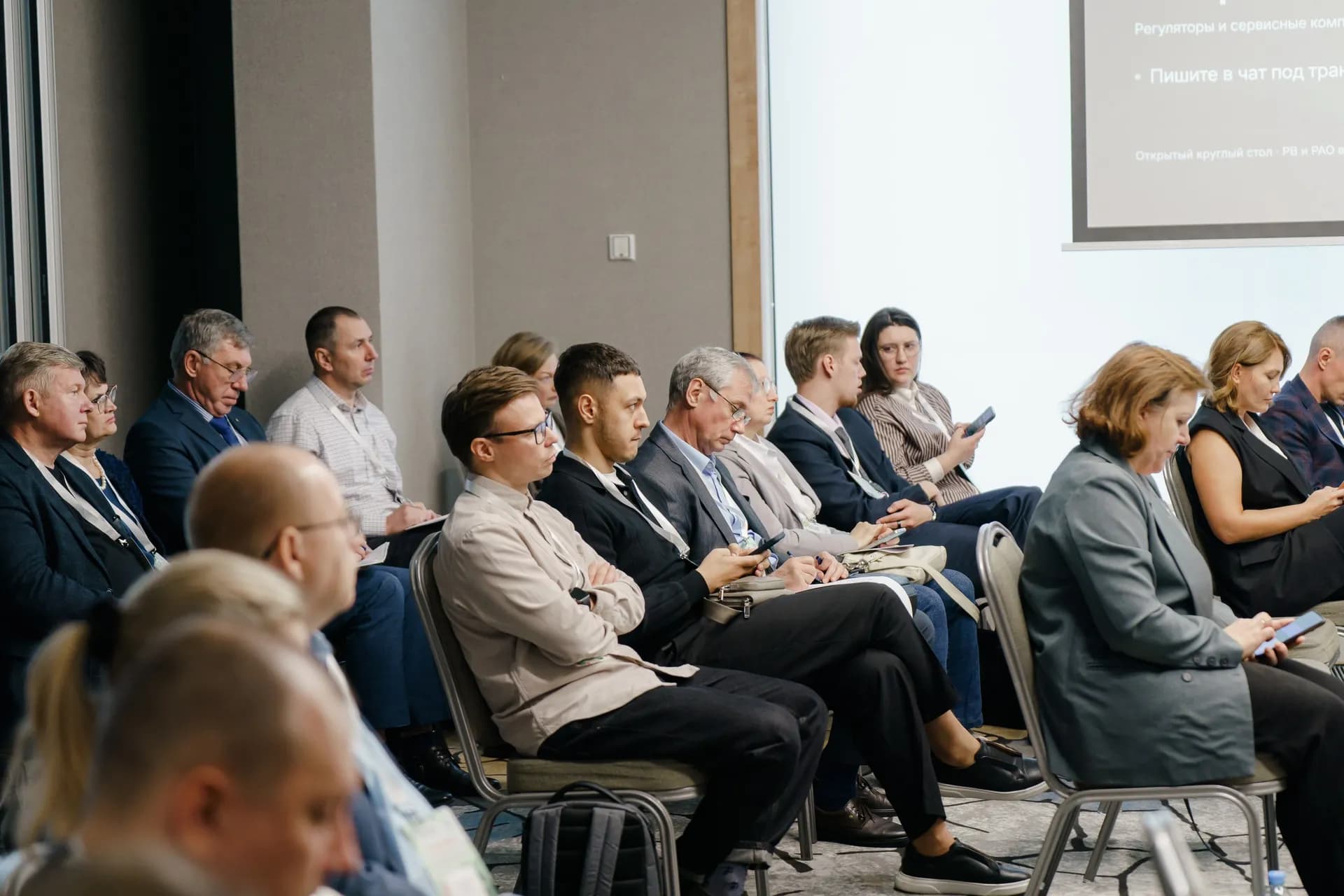
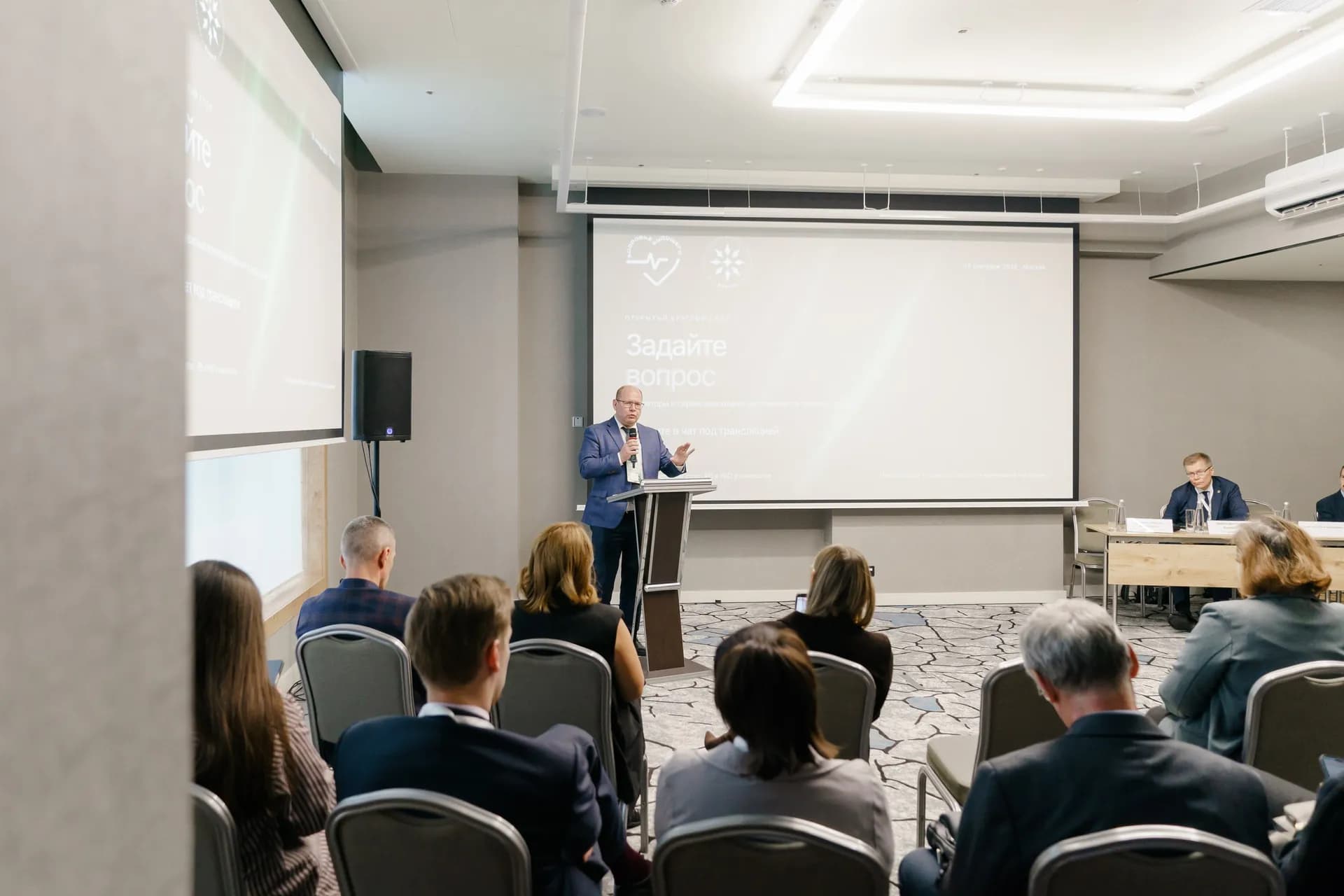
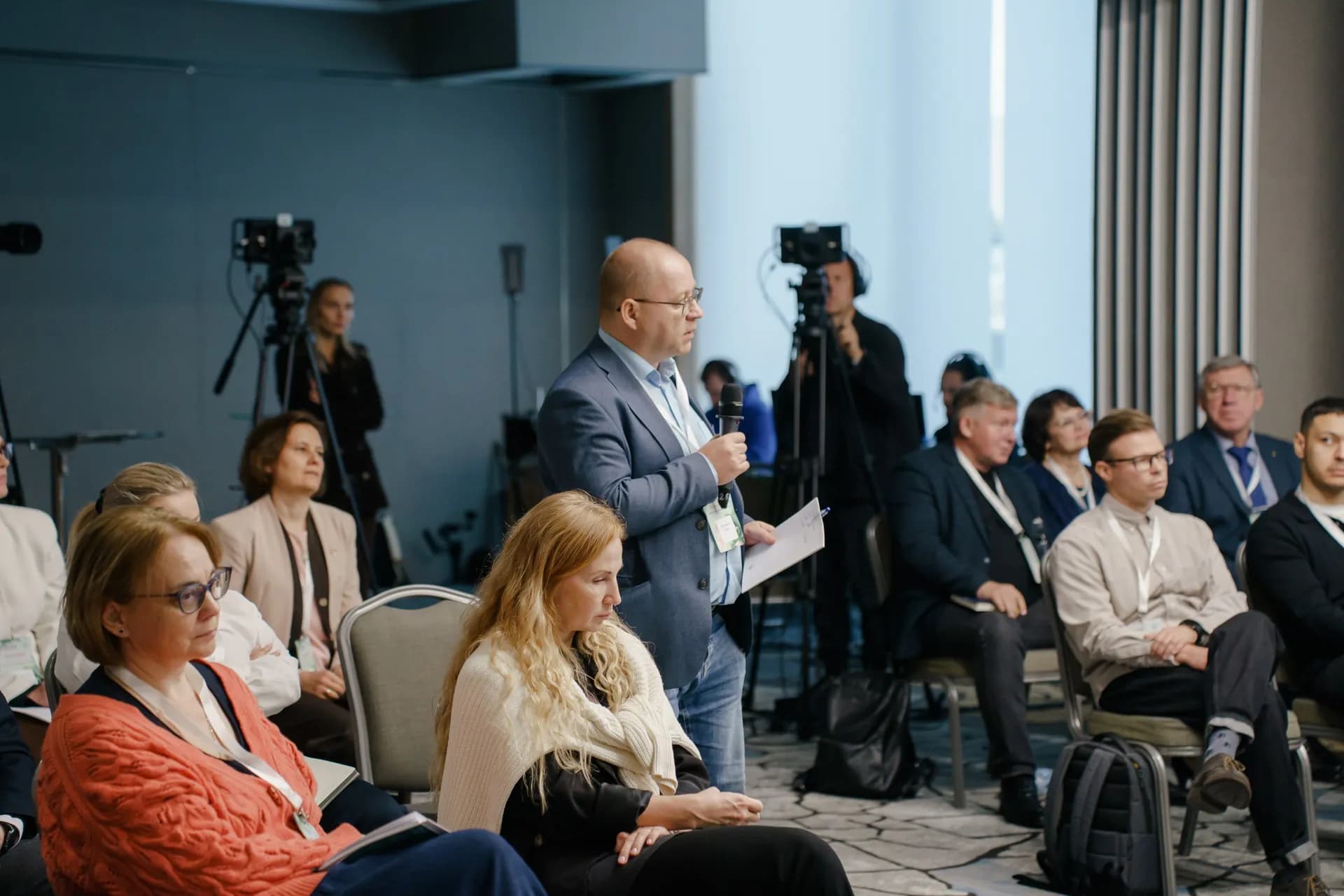
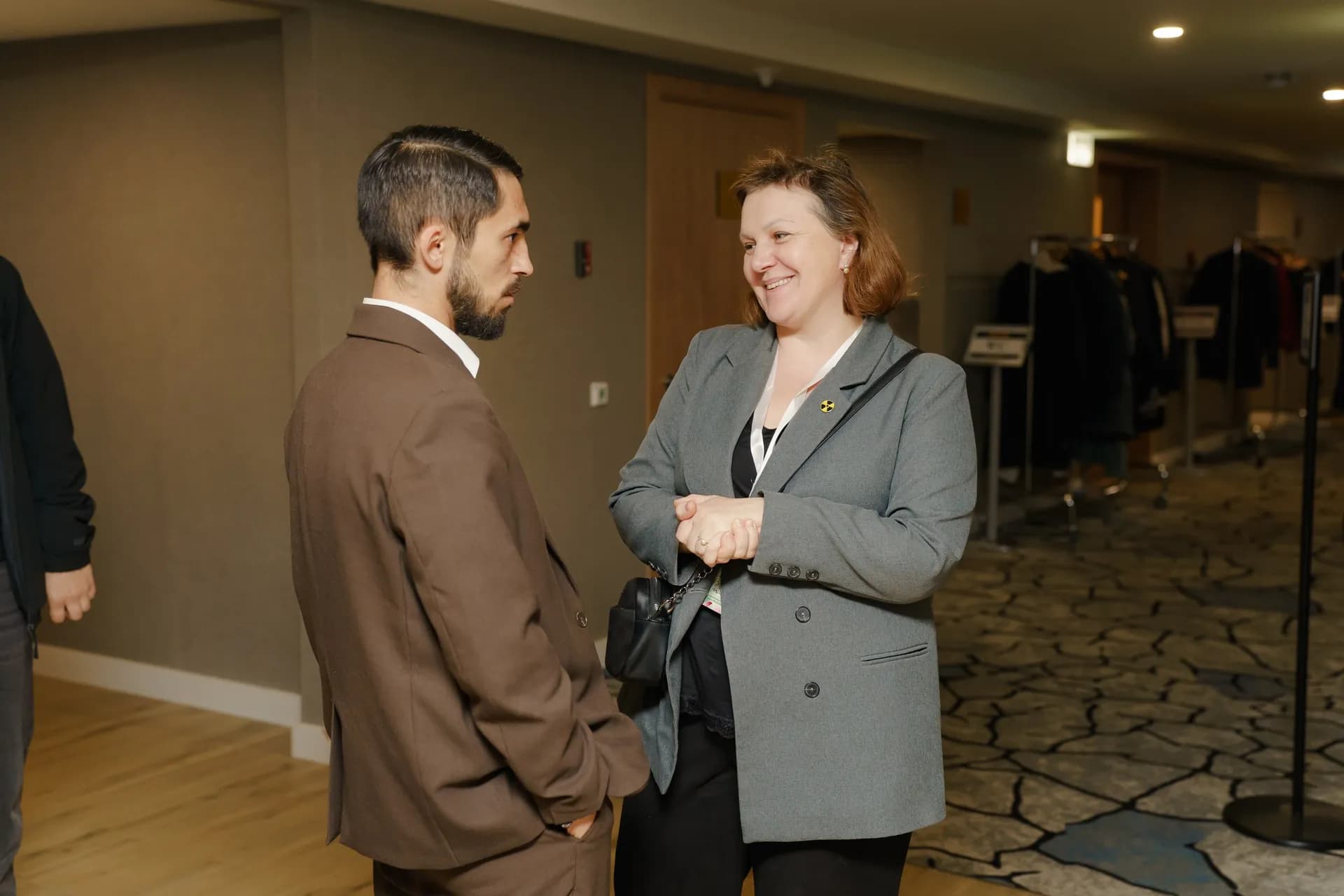
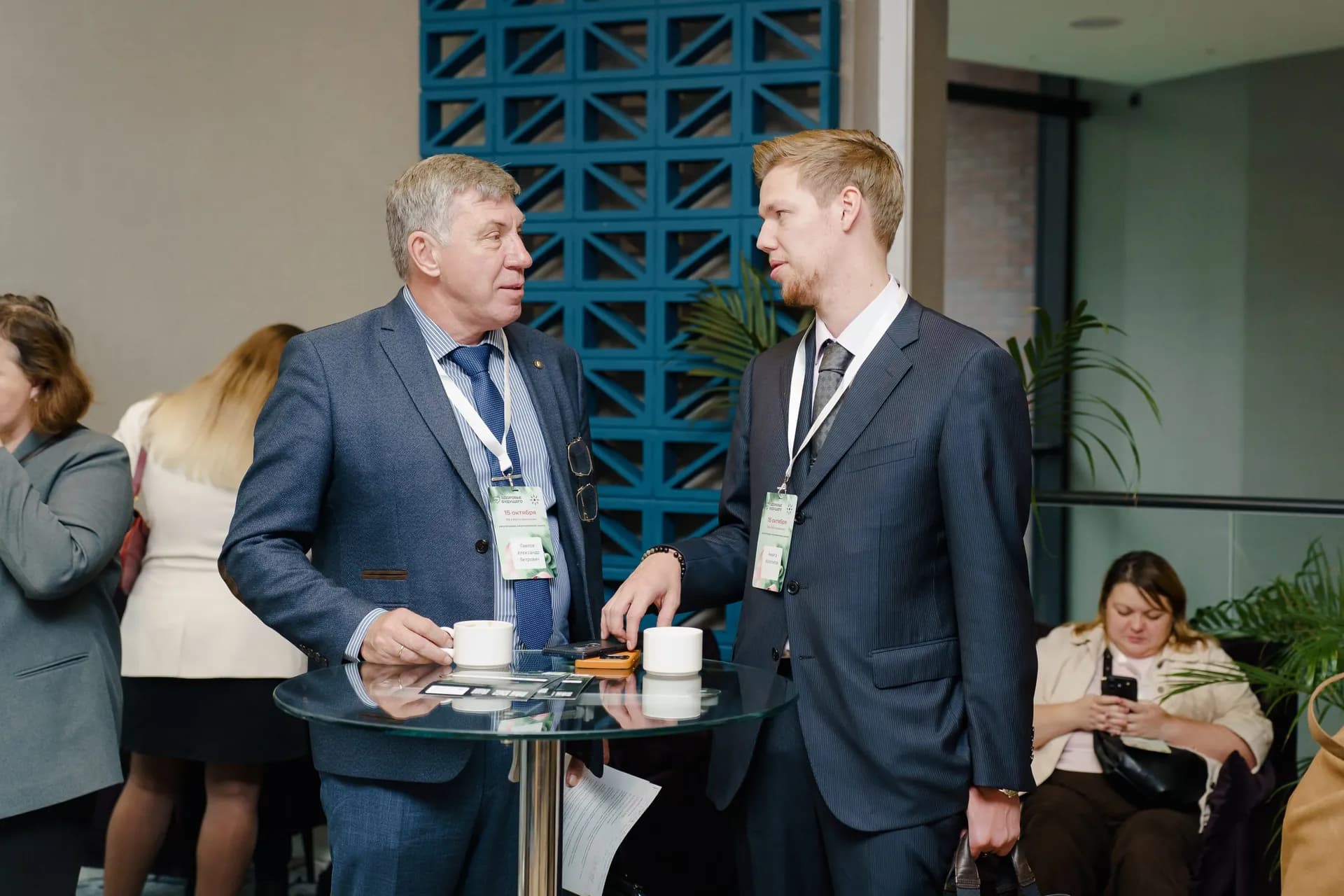
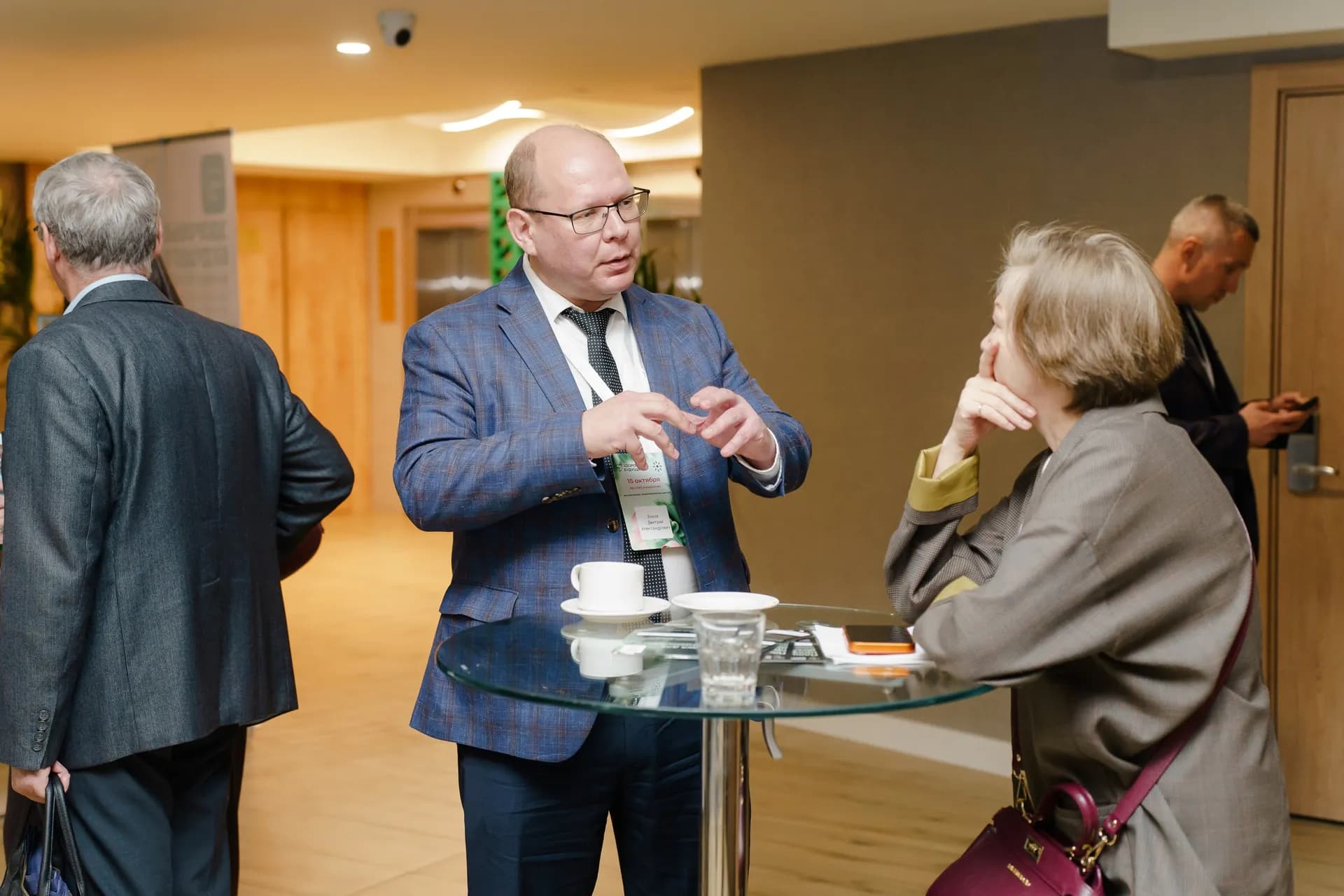
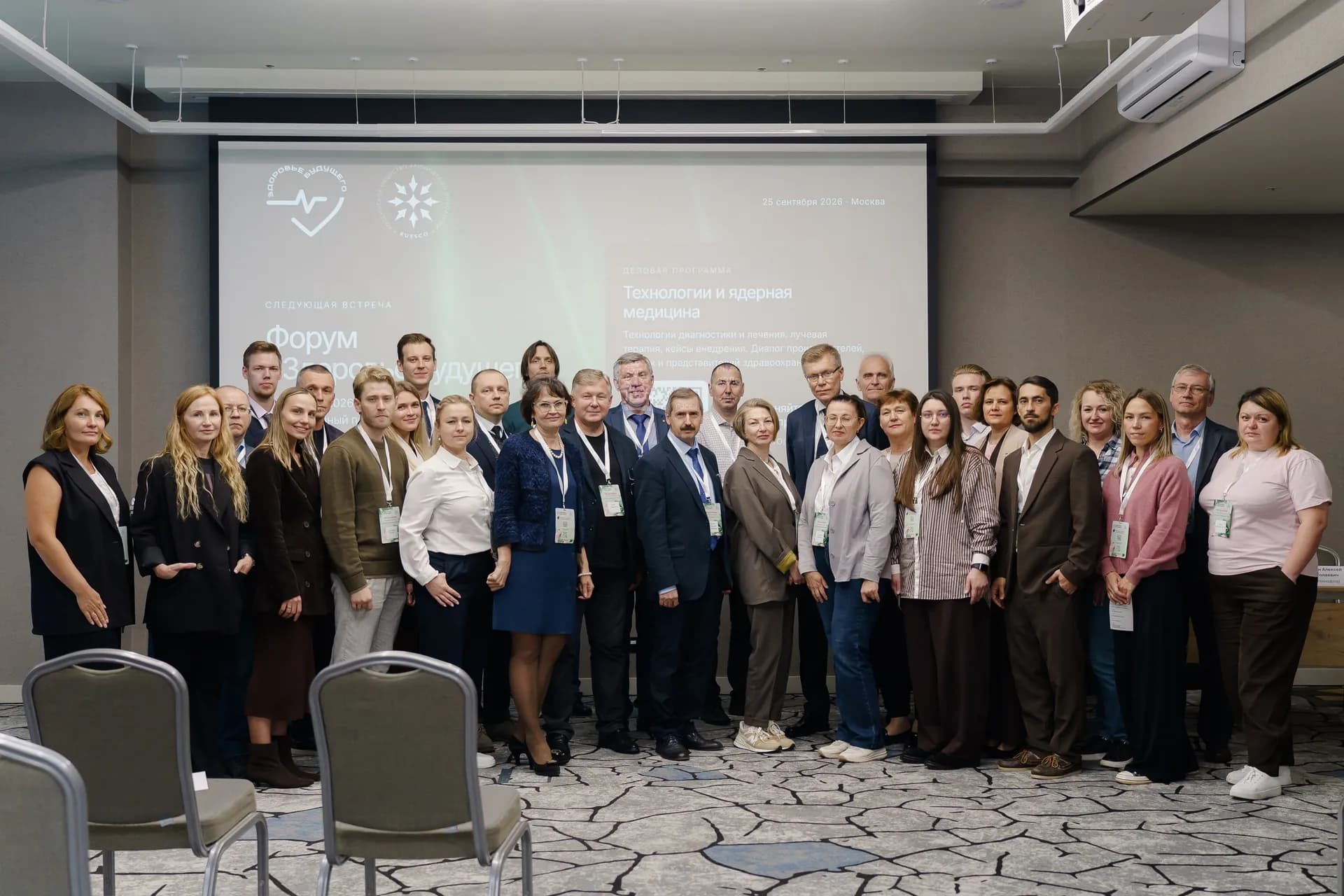
On September 25, Moscow hosted the round table “Radioactive substances and radioactive waste in oncology: regulation, licensing, dialogue”. It was hosted by the Health of the Future project with the support of RUSSCO, the Russian Society of Clinical Oncology. The meeting brought together representatives of medical organizations, government bodies, the expert community and the nuclear industry: 35 specialists attended in person, and more than 100 participants watched the online broadcast.
Participants discussed current issues in the handling of radioactive substances and radioactive waste in medical organizations, the specifics of regulation and the practical aspects of operating radiation sources and equipment, as well as existing problems and possible ways of solving them.
“It is important to make a round table like this a permanent platform for regular dialogue. The issues in this field are always relevant, and a place where they can be resolved will, in our view, be in great demand”

What was discussed
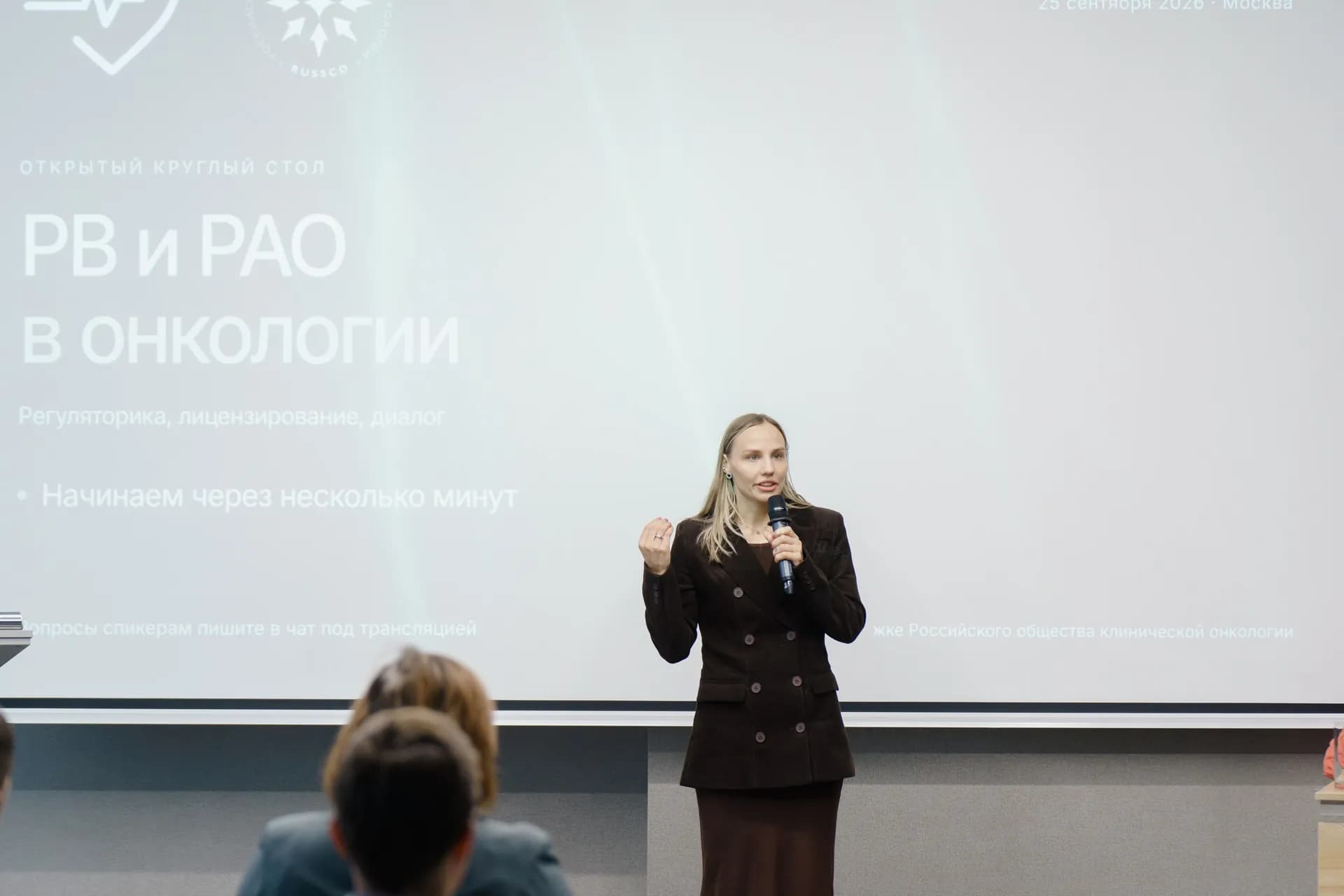
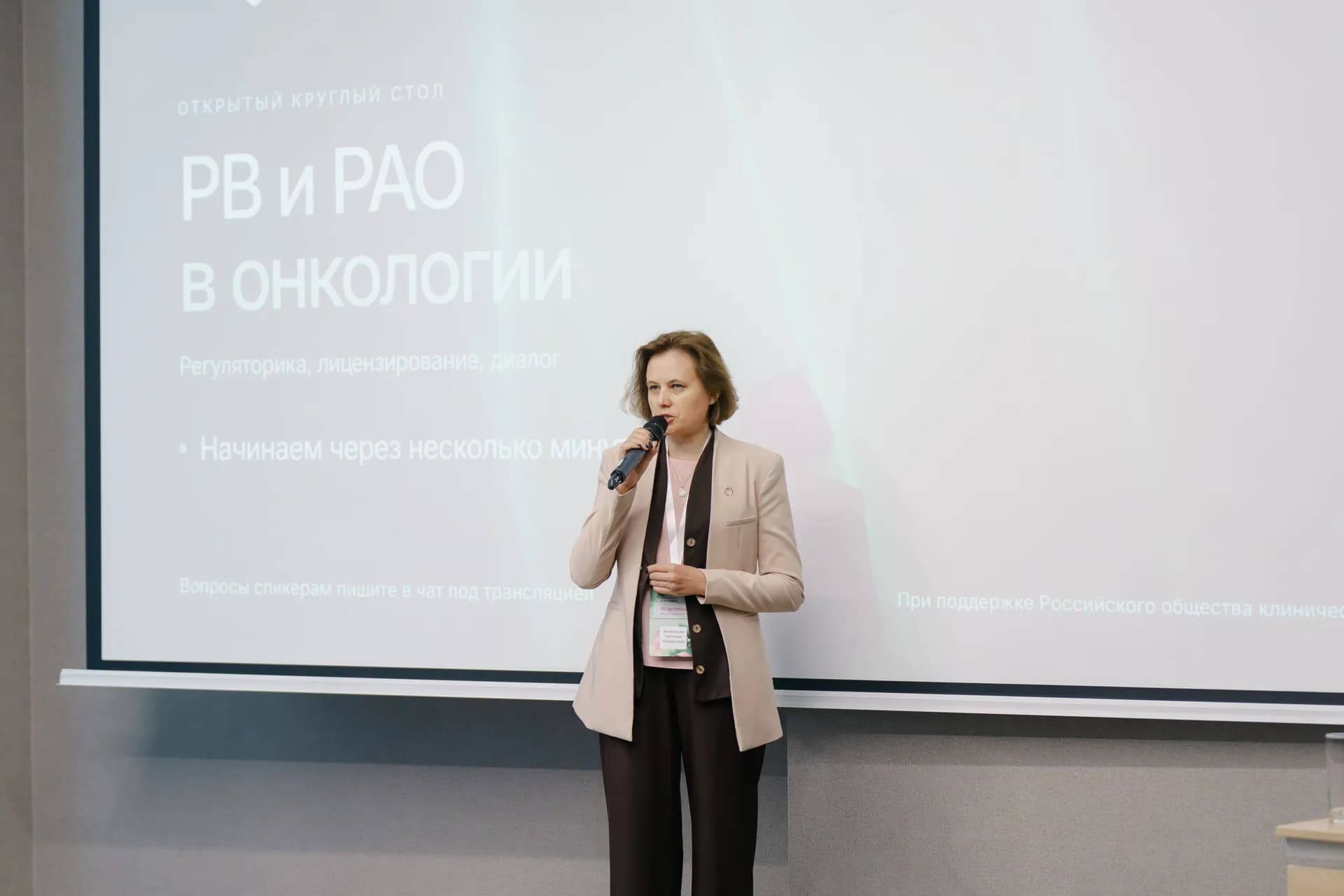
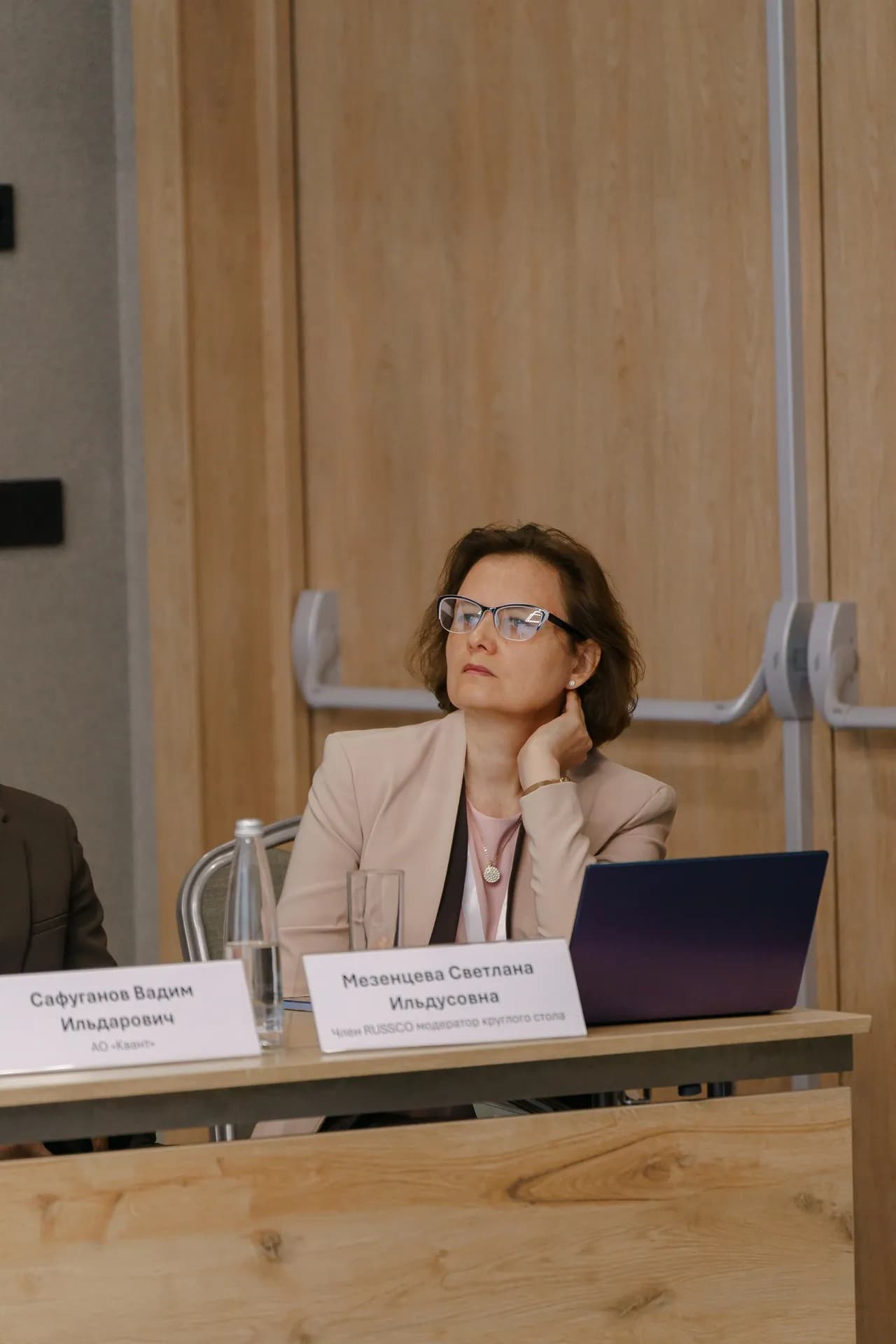
The meeting was opened by Angelina Kuleshova, Head of the Health of the Future project, and by the round table's moderator, Svetlana Mezentseva, Lead Medical Physicist at the Radiotherapy Department of the Ulyanovsk Regional Clinical Oncology Dispensary (GUZ OKOD) and a member of RUSSCO. They presented the joint project of Health of the Future and RUSSCO.
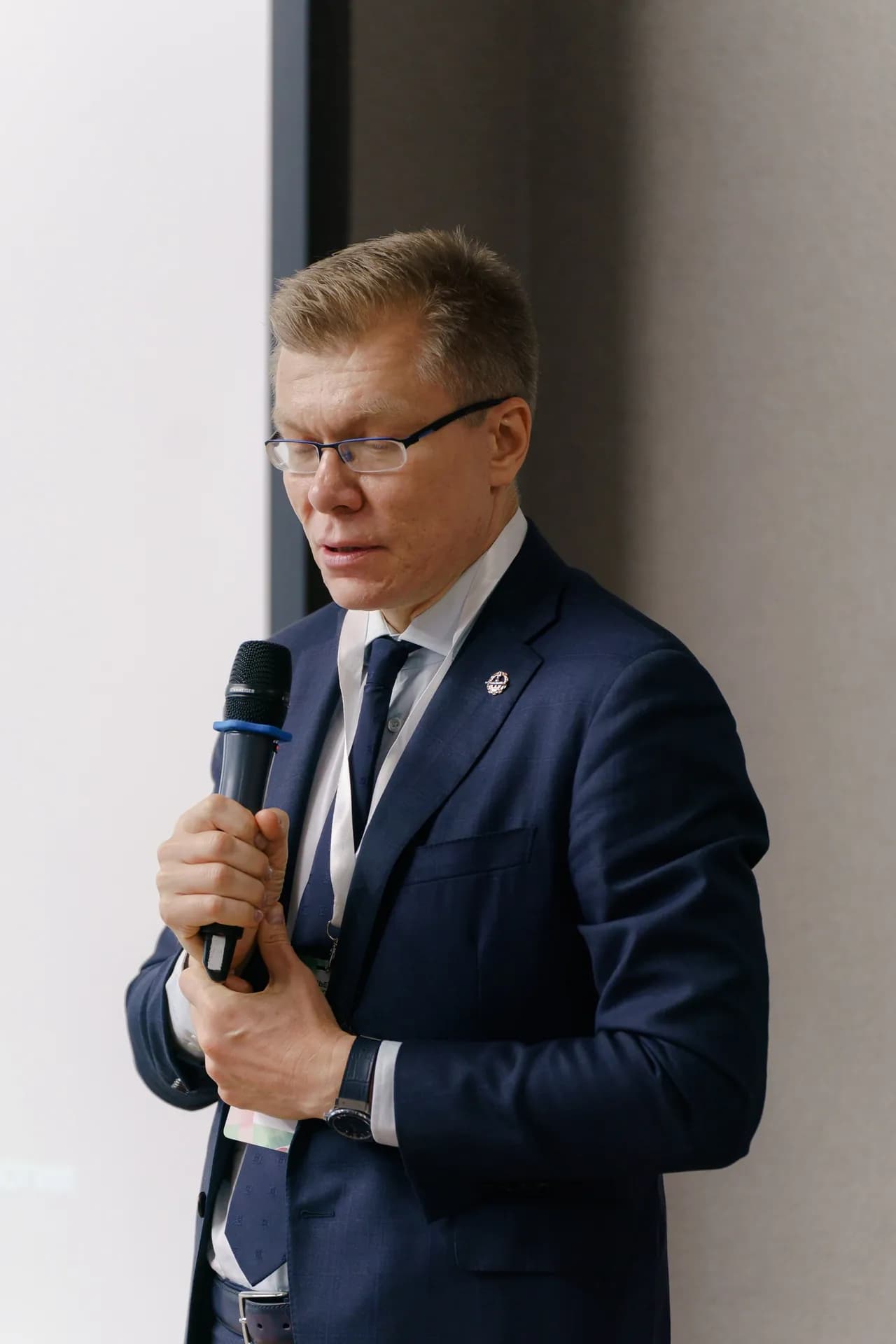
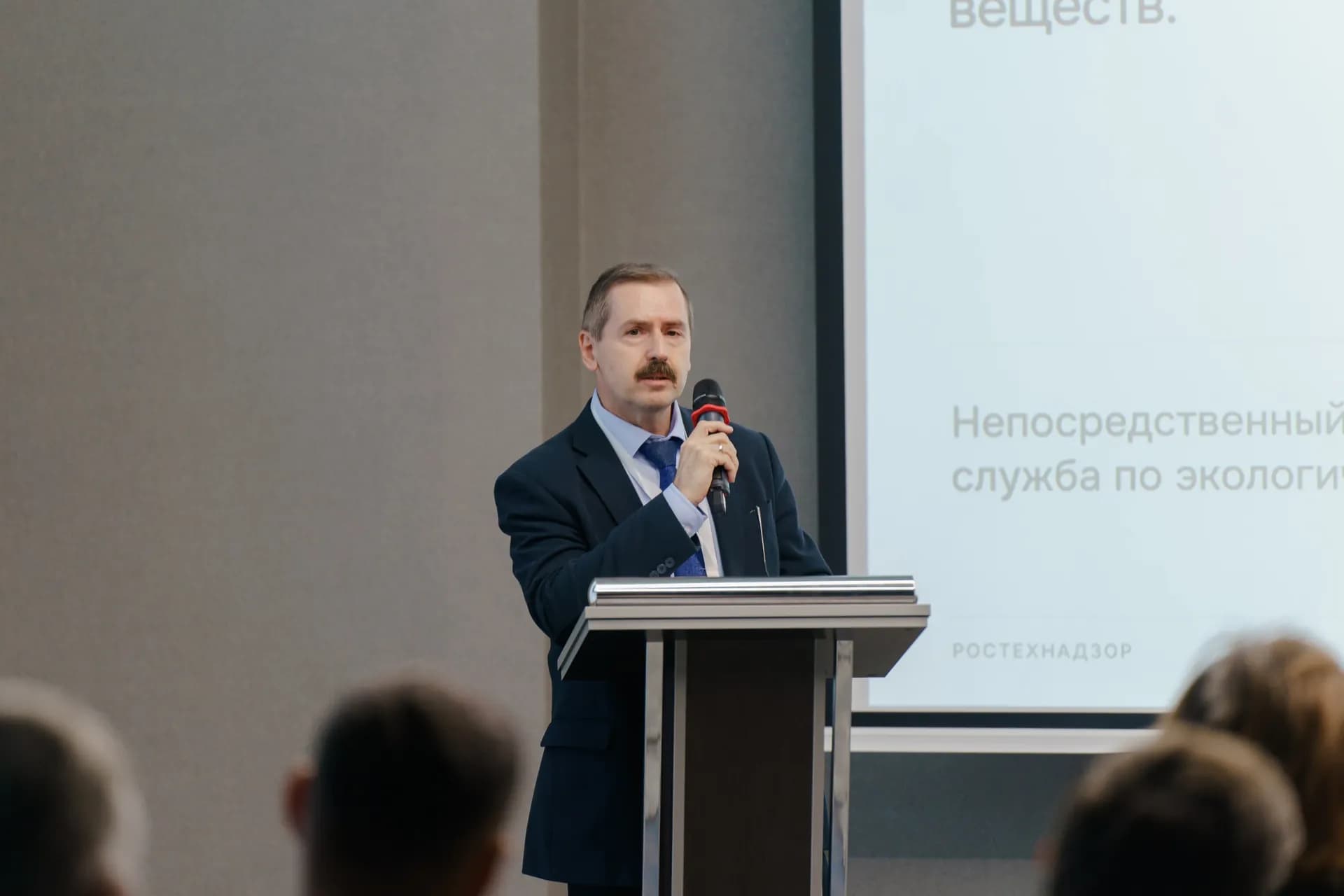
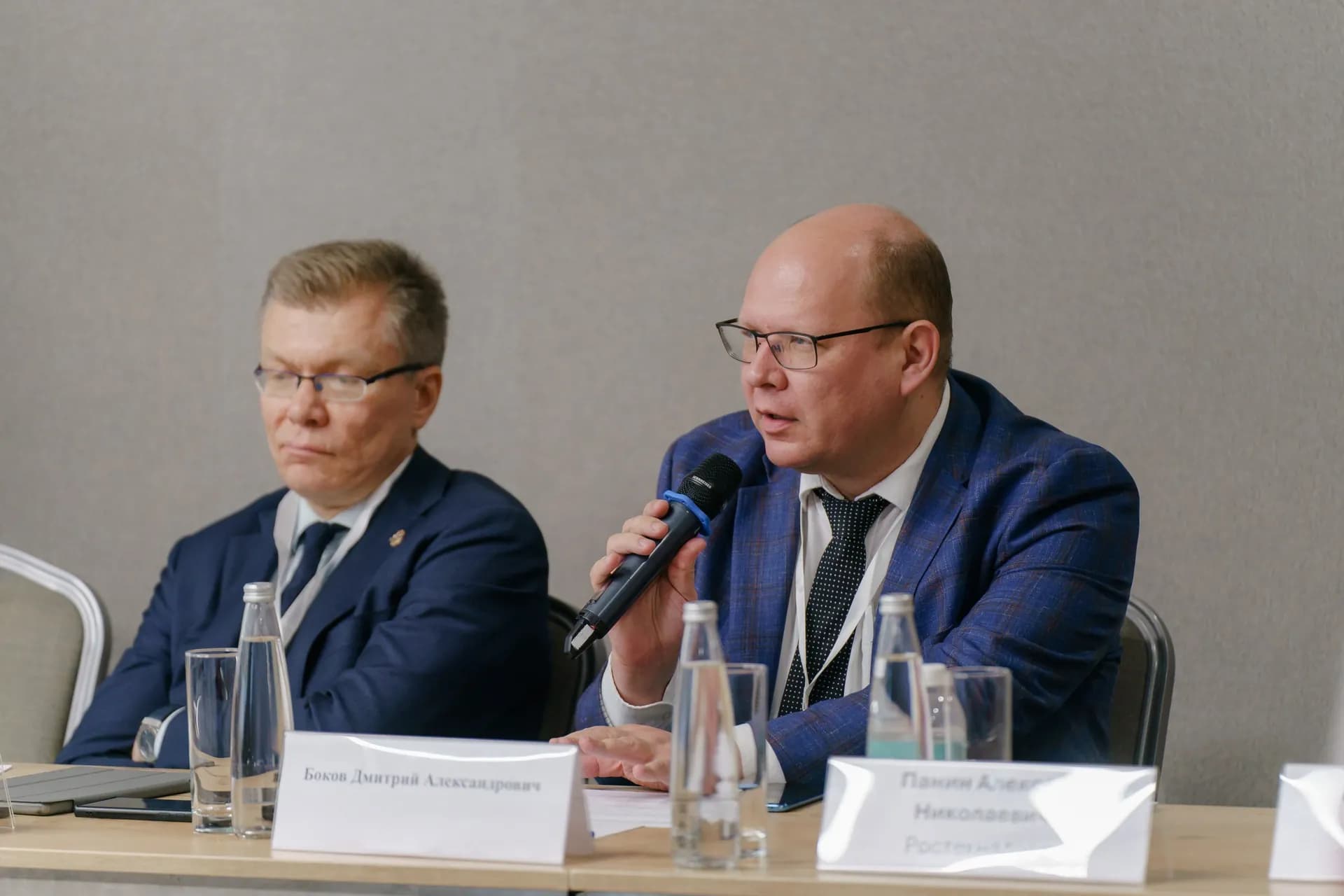
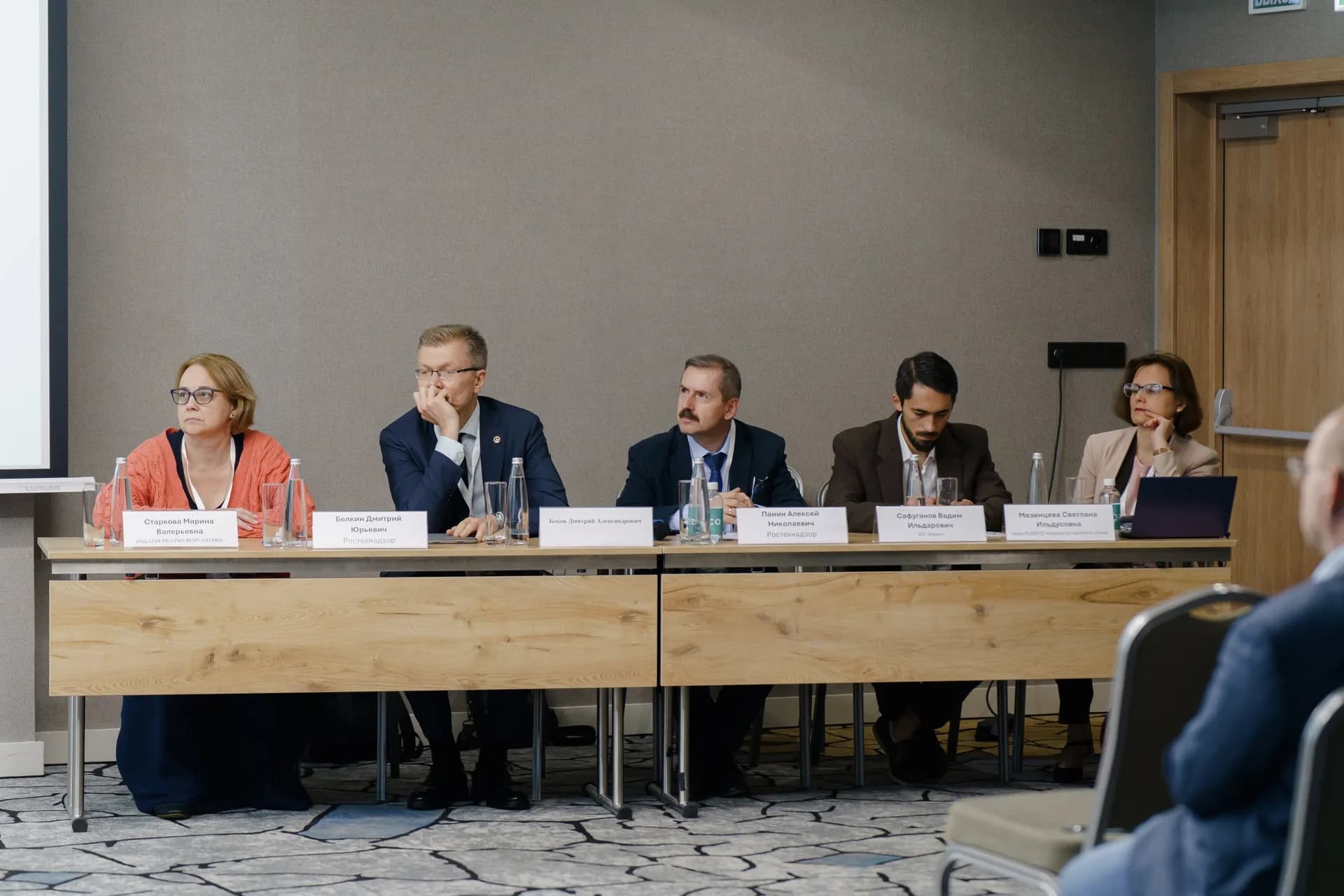
The session on licensing, regulation and supervisory inspections was led by representatives of Rostekhnadzor: Dmitry Belkin, Head of the Directorate for Safety Regulation of Nuclear Fuel Cycle Facilities, Ship Nuclear Power Installations and Radiation-Hazardous Facilities, and Alexey Panin, Adviser in the Directorate's Division for Assessment, Licensing and Inspection of Radiation-Hazardous Facilities. They covered how to obtain a license for handling radioactive substances and radioactive waste, how to work with supervisory authorities and what is checked during supervisory inspections.
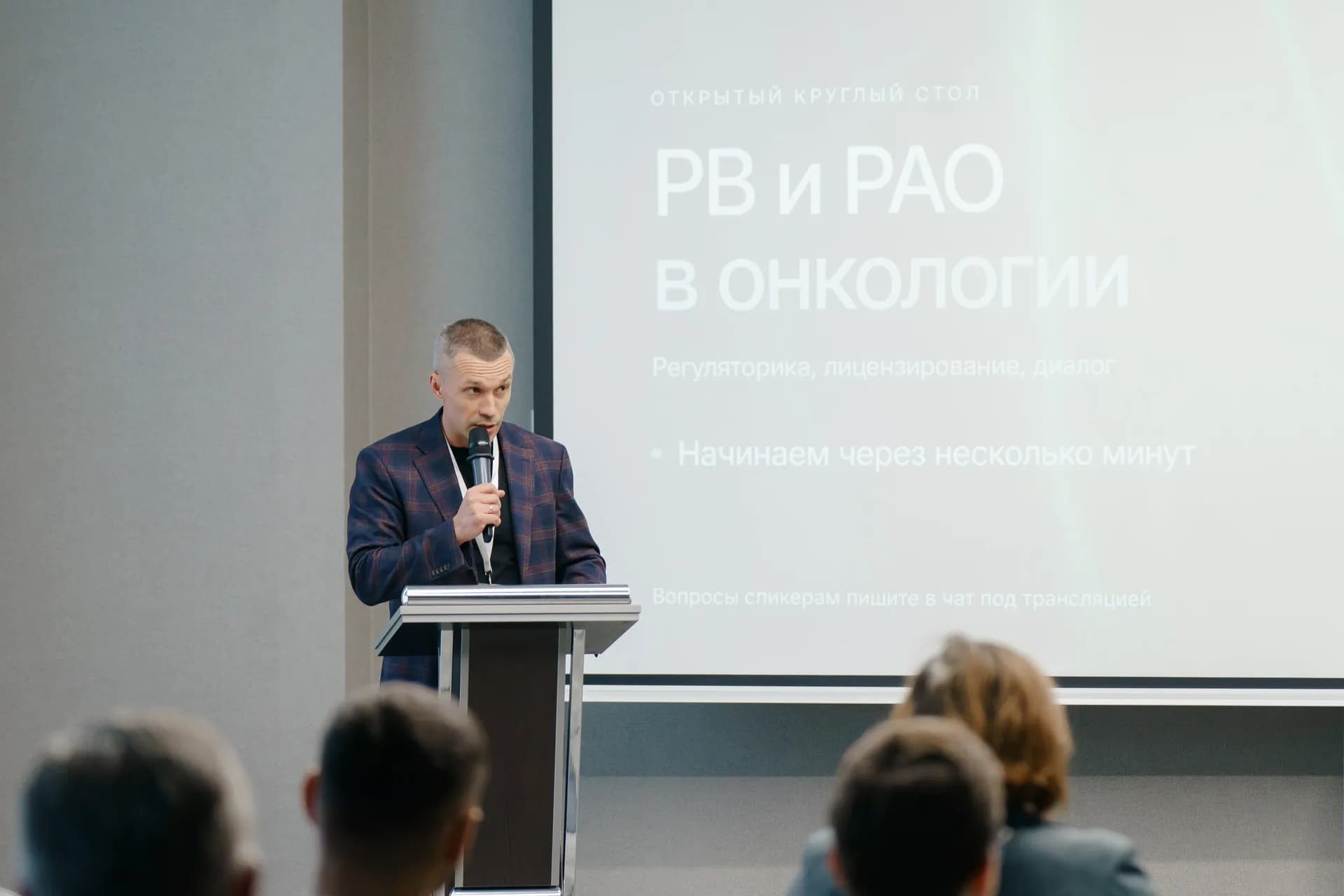
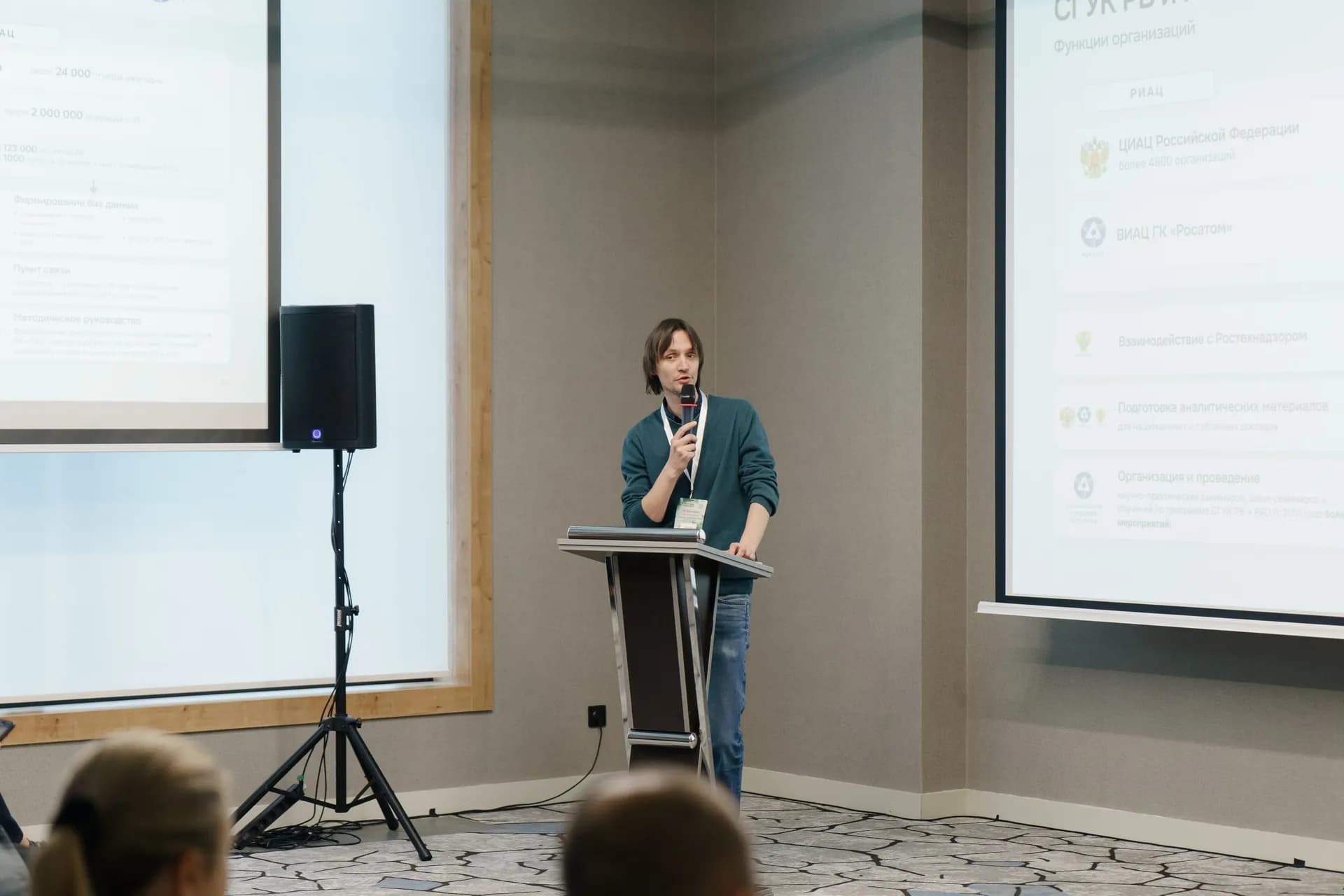
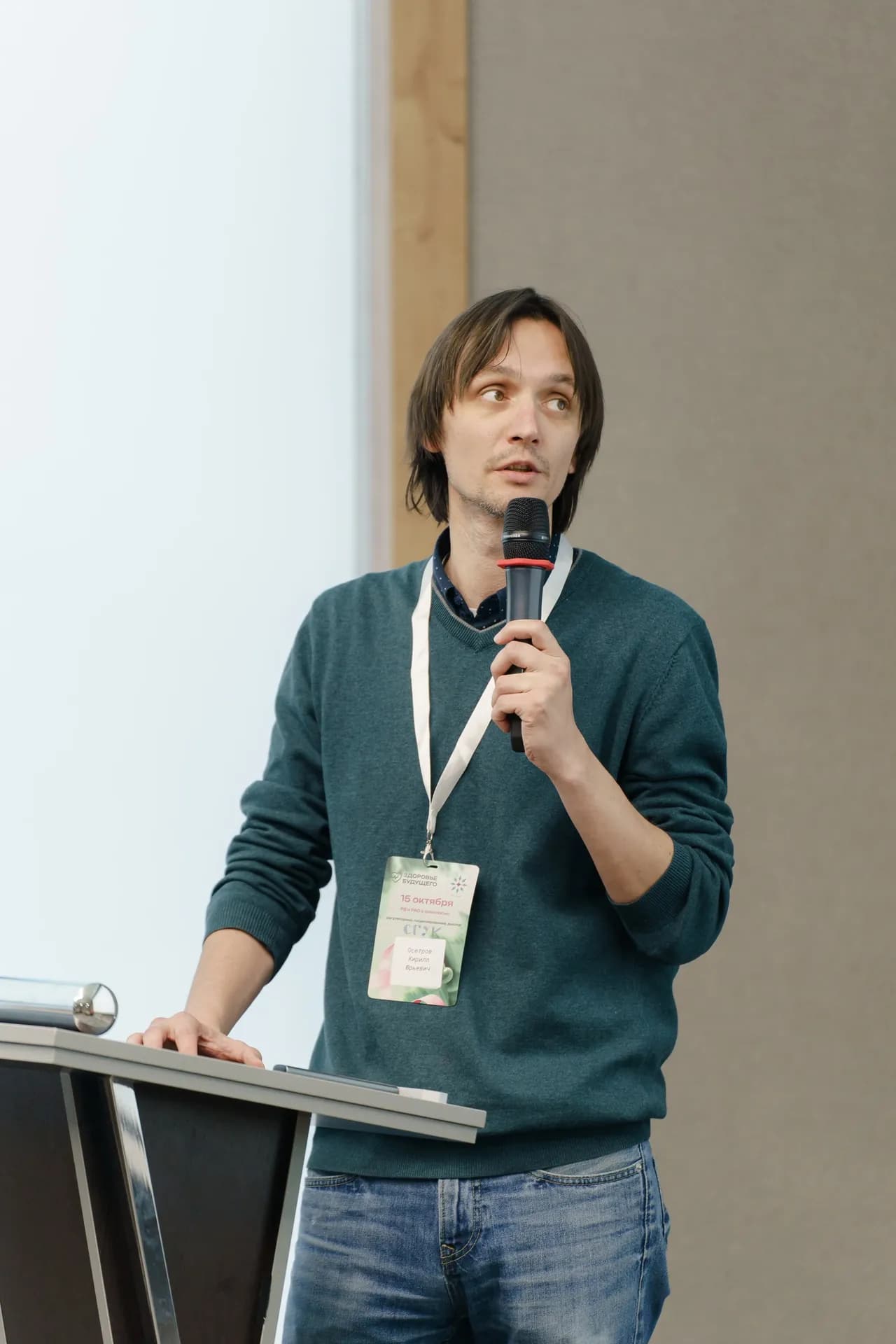
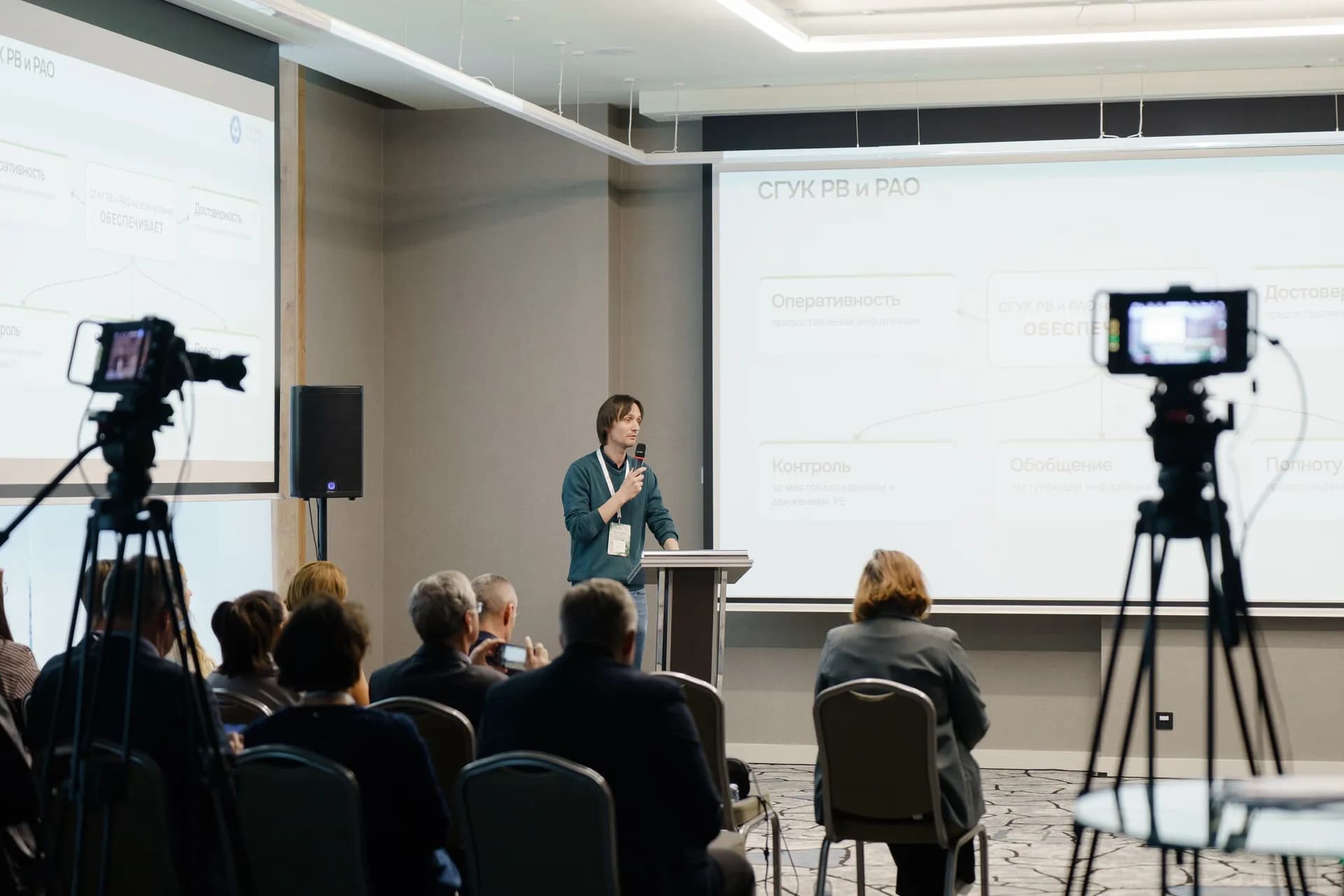
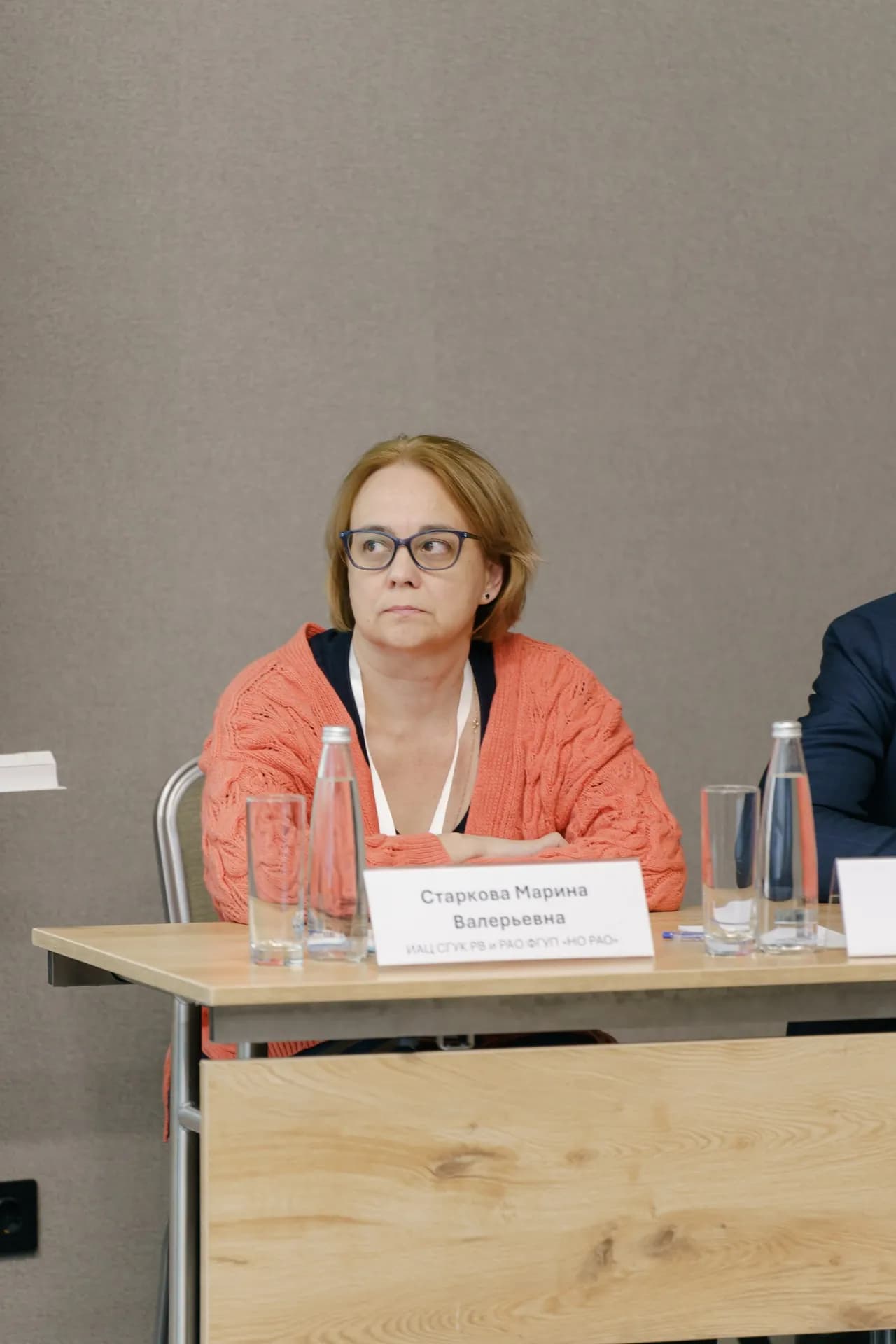
Kirill Osetrov of FSUE NO RAO, Lead of the Sealed Radionuclide Source Reporting Control Group at IAC SGUK RV i RAO (the information and analytical center of the state system for accounting and control of radioactive substances and radioactive waste), spoke about the state accounting of sources — registering and deregistering sources: working practice in the state accounting system and the changes of 2024–2026. After his talk he answered participants' questions. Also representing FSUE NO RAO on the round table's panel was Marina Starkova, Head of IAC SGUK RV i RAO, who took part in the discussion.
Vadim Safuganov, Deputy Technical Director for Nuclear Facilities at Kvant JSC, spoke about the work of service companies and the types of licenses required for servicing equipment.
The program closed with an open discussion moderated by Svetlana Mezentseva.
“Events in this format are definitely worth traveling to: it is a wonderful opportunity to meet heads of directorates in person, those of Rostekhnadzor for example, to talk things over and to ask the questions that concern your own organization”
What's next
The round table is conceived as a permanent platform for dialogue between medical organizations, regulators and the nuclear industry. The conversation continues in the “Health of the Future: Professional Dialogue” community for doctors, medical physicists and engineers, on Telegram and MAX.