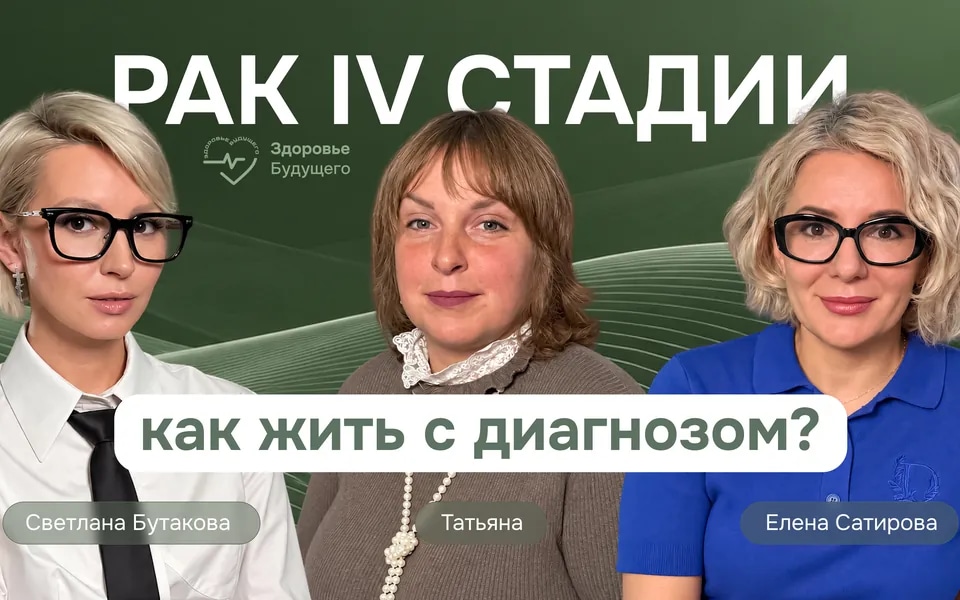
In Russia, 4.3 million people are on the cancer registry, and that number keeps growing. According to the Ministry of Health, 715,000 new cases were detected in 2024. This affects millions of people and their families.
Yet most of them have heard the same thing: after treatment, no massage, no banya or sauna, no trips to the south, almost nothing at all. The problem is that these bans come not from current clinical guidelines but from what doctors were taught in medical school 20–30 years ago.
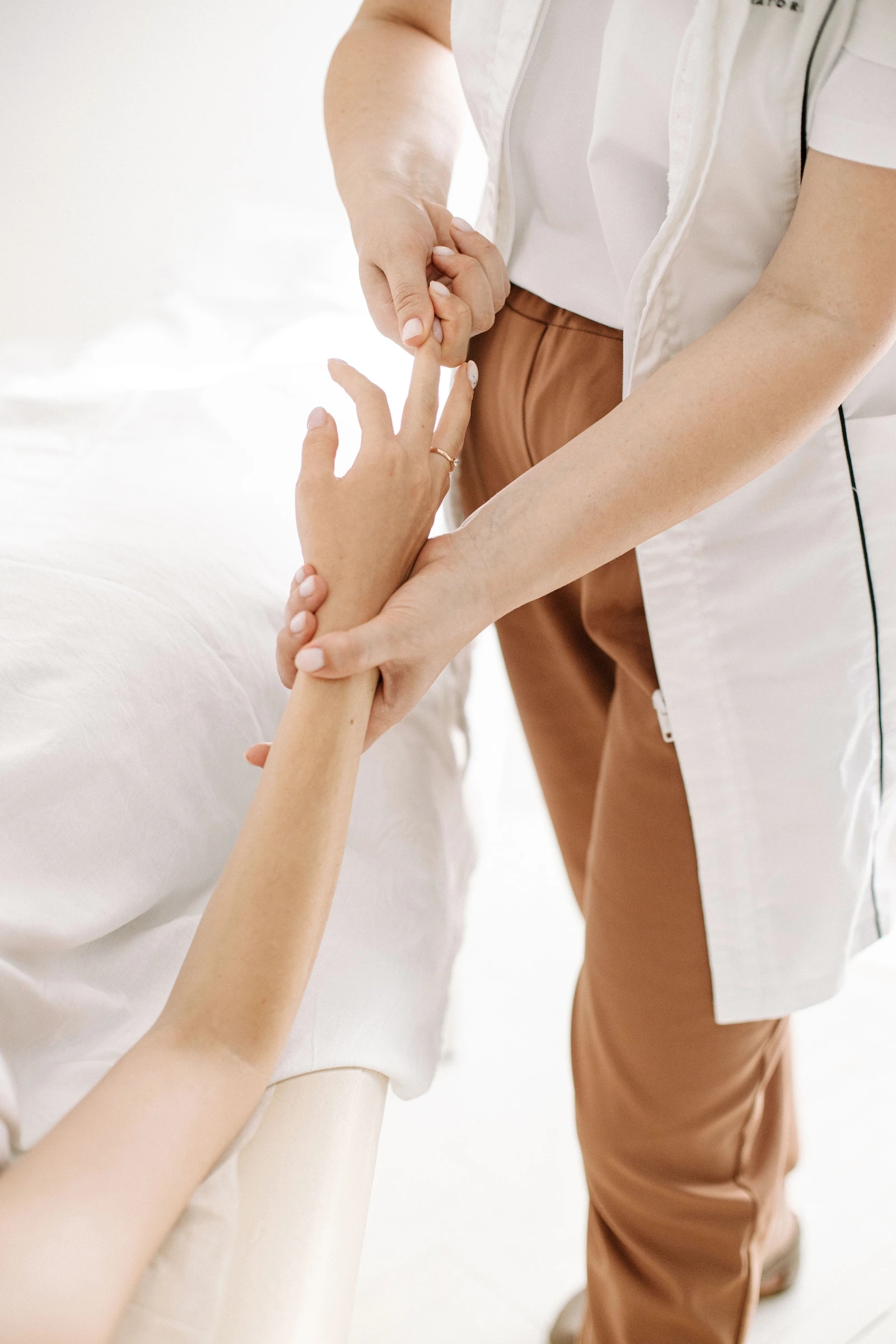
A telling example: women who had undergone breast surgery used to be allowed massage only on the opposite arm, because working on the operated side was believed to trigger the spread of the tumor. There is no evidence that massage in itself spreads cancer, yet many doctors, out of inertia, still go by the old rule and pass the fear on to their patients.
Care begins with attention to the person.
02 / Back to everyday life
Rehabilitation is part of care.
Meanwhile, rehabilitation after cancer, including physiotherapy, massage and therapeutic exercise, has long been written into clinical guidelines and is covered by compulsory health insurance.
The problem lies not in medicine but in communication: patients do not know that this is allowed, while wellness professionals (massage therapists, cosmetologists, rehabilitation specialists) are afraid to take on such clients because they are unsure of their rights and of how others will react.
Specific procedures and levels of physical activity are chosen together with the treating physician, taking into account the person's condition and individual contraindications.
Trust
People need to know they will be heard.
03 / Speaking openly
A place for trust. And for a brand.
This is where a place opens up for a brand, and from two sides at once. A person choosing a specialist needs to hear one sentence: “We work with patients in remission, provided there are no individual contraindications to the chosen procedures.”
A company deciding what to say to the market needs the courage to be the first to say it.
For the patient, this is not abstract support but concrete permission to go on living. For the brand, it is reputational capital that no advertising budget can buy: either you have it or you don't. The first to say it out loud will claim ground that the rest will spend years trying to make up.
Health of the Future
Together against outdated myths.
At the Health of the Future project, we are already bringing such brands together on one platform, uniting those who are ready to say this openly into a shared community rather than leaving each one to deal with stigma alone. The more voices speak together, the sooner an outdated myth loses its hold.
For people in remission, this is not an emotional gesture of support but concrete, practical news: massage, sports and spa treatments are not automatically prohibited. The question is not a general “is it allowed?” but who will be the first to say so plainly.